
Creating Microbiome Biotherapeutics
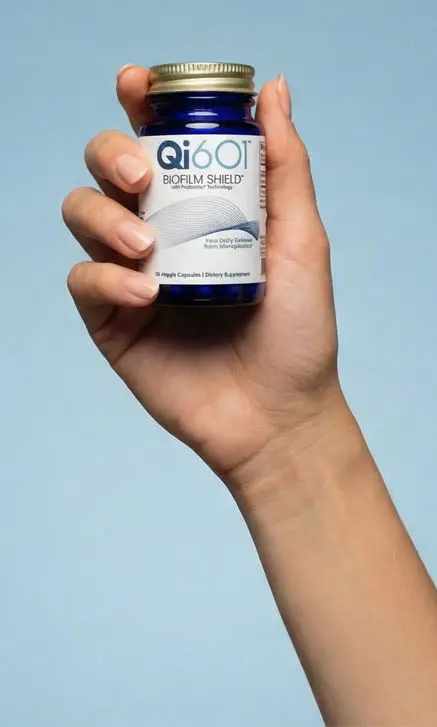
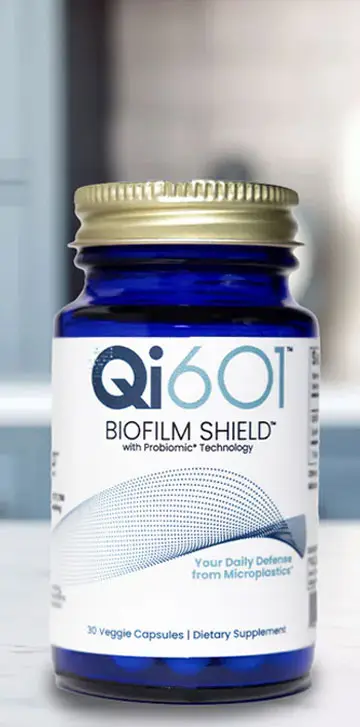
Quorum Innovations develops barrier-based microbiome technologies to protect the body from harmful environmental exposures. Our foundational biofilm defense platform was validated through Direct-to-Phase II DARPA awards, engineering biologic barriers to limit absorption of chemical and biological threats. That work led to Qi601®, the first Biofilm Shield™ application, forming a non-systemic gut biofilm matrix that binds micro- and nanoplastics to help prevent absorption. Our mission is simple: strengthen the body’s natural barriers and reduce internal exposure to modern environmental contaminants.
Founders Video
At Quorum Innovations, we believe the future of medicine begins within. The human body is host to a vast, dynamic ecosystem—the humanmicrobiome—that outnumbers human cells ten to one. While the human genome contains about 23,000 genes, the microbiome brings over 3.5 million genes to the table. This immense genetic reservoirsupports not only core physiological functions but also criticalbiological defenses—including protection against environmentaltoxins, chemical threats, and microbial invaders. It represents atransformative frontier for advancing human health and resilience.
How It Works
Qi601 is a patented, novel, orally administered, non-living probiotic derived from an FDA approved (GRN 0988) Lactobacillus fermentum (Qi6) is a probiotic strain cultivated under biofilm-promoting conditions to form self-aggregating, high-surface-area macrostructures (~200 µm in diameter).

Key Research Findings
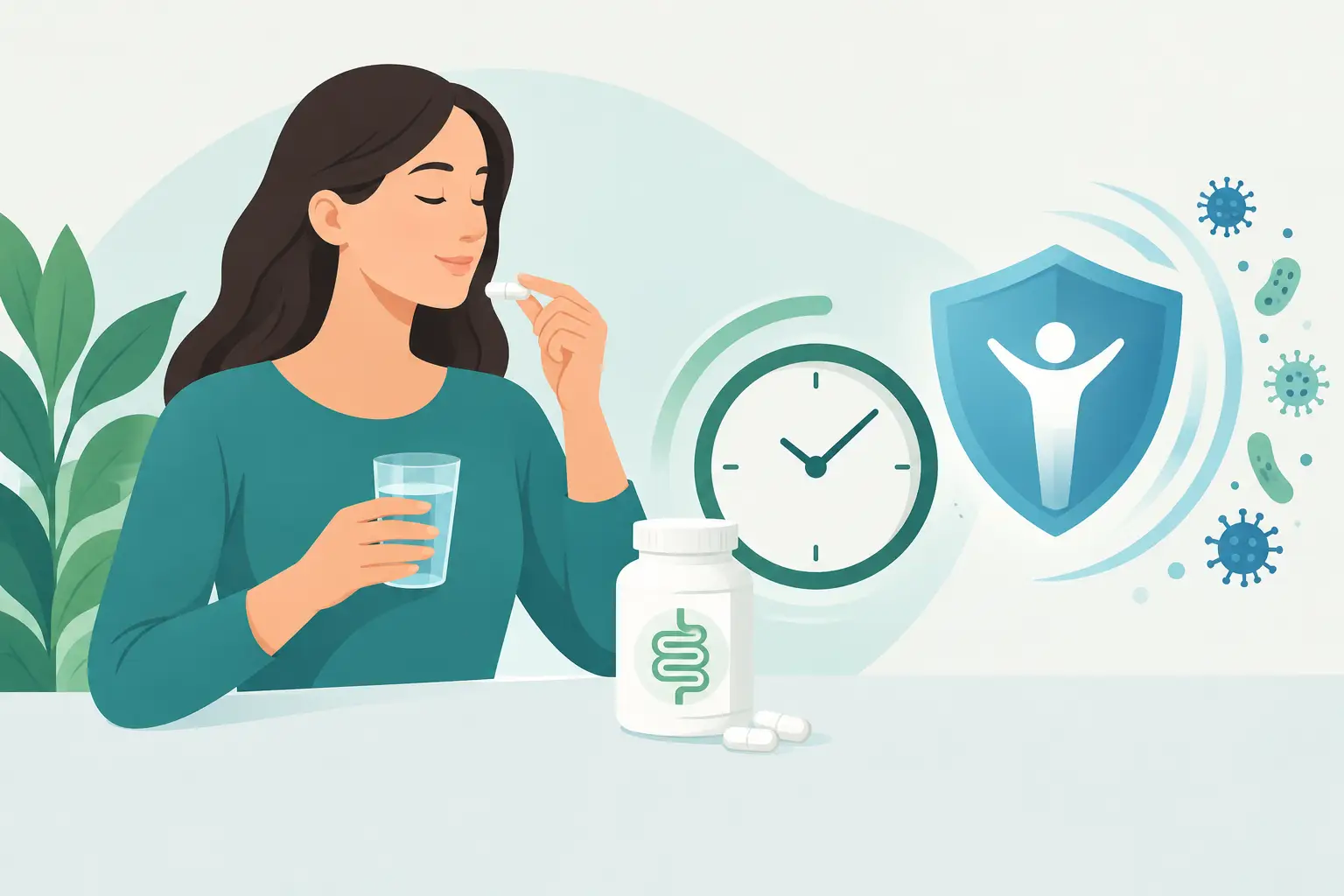
In laboratory studies, Qi601™ reduced microplastic adherence to human intestinal epithelial cells by 83% compared to untreated controls. As a non-systemic, orally administered postbiotic, Qi601™ works within the gut to physically bind plastic particles and support the body’s natural elimination processes—simply put, it helps the body “get rid of it.”

Implications
Laboratory Research indicates that Qi601™ potentially offers a bio-inspired, non-systemic strategy to mitigate microplastic and nanoplastic exposure within the gastrointestinal tract.

Conclusion
Qi601™ leverages its structured, biofilm-like architecture to function as an effective and inherently safe Biofilm Shield™, designed to bind micro- and nanoplastics within the gastrointestinal tract.
The Science
Quorum has developed a robust and diversified portfolio of active microbiome biotherapeutics through the real-world application of translational science. By combining early insight into the broad clinical potential of the human microbiome with a disciplined, mechanism-driven development strategy, Quorum has advanced multiple Probiomic™ biotherapeutic candidates and secured an intellectual property estate of more than 50 issued patents worldwide. This integrated approach positions Quorum at the forefront of next-generation microbiome-based barrier therapeutics.

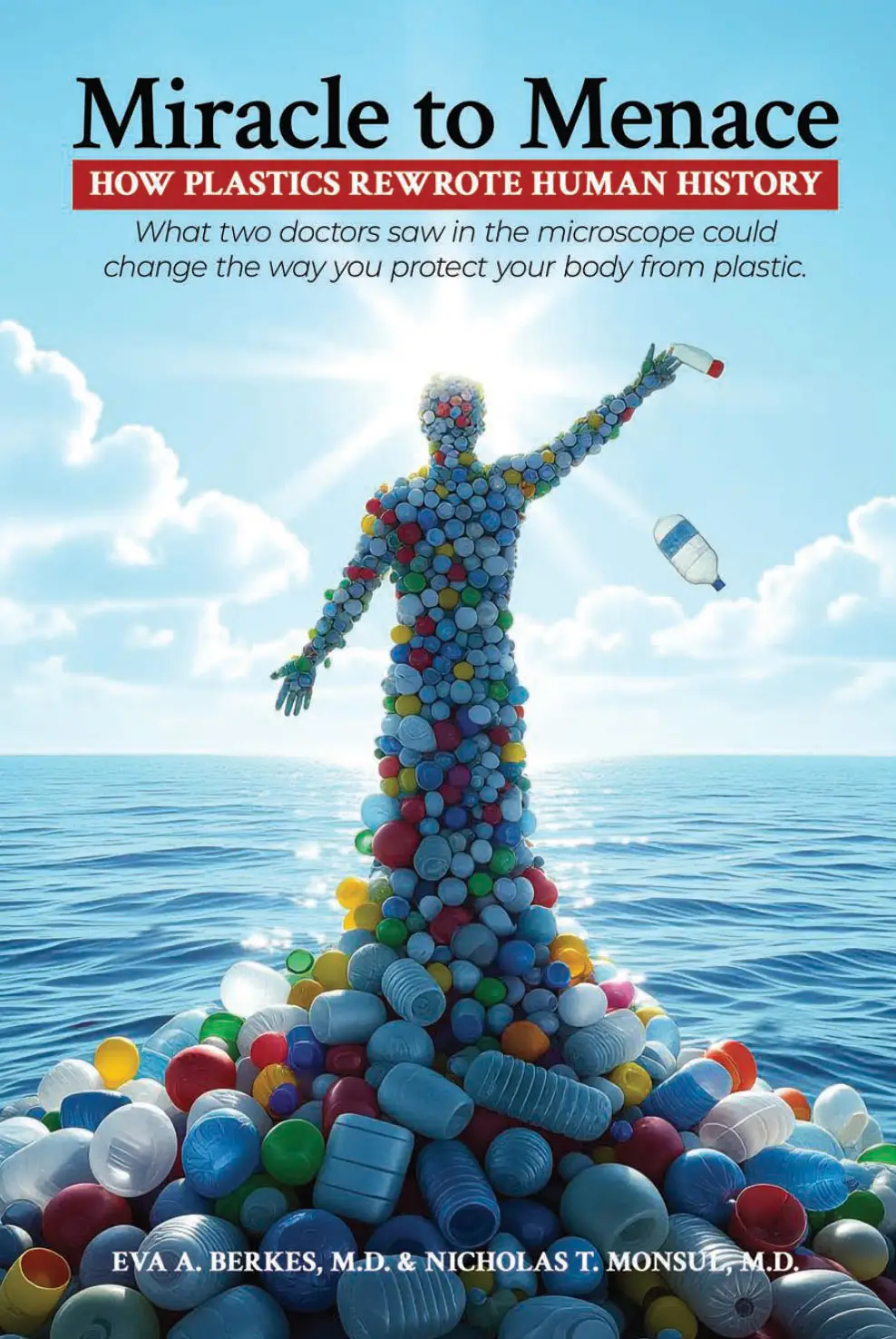
Book Release: Miracle to Menace
You probably have some questions
Tiny plastic fragments (<5 mm) from degraded plastics or are intentionally added to products. Microplastics are tiny pieces of plastic smaller than a grain of rice. They come from the breakdown of larger plastics or are intentionally made small for products like packaging, textiles, and industrial materials.
Detected in blood, lungs, placenta, testes, semen, and digestive tract. Scientists have detected microplastics in blood, lungs, the digestive tract, placentas, testes, and semen. This shows plastics can move beyond the gut into sensitive tissues.
Most exposure comes from food and water, especially seafood, produce, meat, and bottled water. We also inhale plastic fibers from household dust and clothing
Yes. Human studies have confirmed plastic particles circulating in blood, meaning they can travel throughout the body.
Evidence suggests plastics can lodge in tissues such as the liver, kidneys, lungs, and reproductive organs, rather than simply passing throug
Research is ongoing. Studies are ongoing are require larger human studies. But plastic contaminants are found in every organ and clearly one point is clear: plastics do not belong in the body.