The news about plastics in our environment and our bodies can feel overwhelmingly bleak. Every week brings headlines that are harder to ignore: microplastics in placentas, nanoplastics in brains, plastics and chemical additives in blood. The problem is vast, global, and deeply personal. And for now, the solutions can seem frustratingly few.
But our journey here as physicians and scientists has taught us that crisis can also clarify what is truly important — and with clarity comes the opportunity for invention. We are forced to find a new way when confronted with what seems an impossible task.
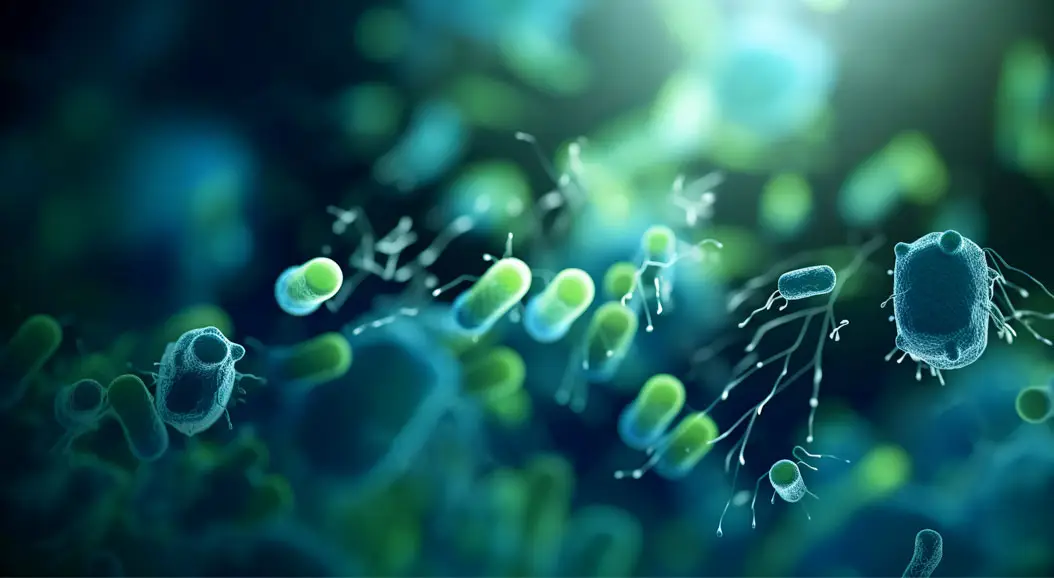
For us, this work began with a simple but powerful belief: that the human microbiome is more than a collection of microbes that live on people — it is a symbiont. It can be a shield, an evolutionarily entrained inherent system of protection for the human body. Quorum’s earliest research focused on microbial biofilms as a special phenotype, one that nature evolved to defend our surfaces from invasion. The idea that microbes could protect the vulnerable barriers of the skin, eyes, gastrointestinal and reproductive tracts became the seed for what would grow into Quorum Innovations.
That work was furthered through our collaborations with the Department of Defense and Defense Advanced Research Projects Agency (DARPA), where we, Quorum Innovations, were challenged to imagine barrier technologies from the microbiome that could protect warfighters from chemical and biological weapons. Out of those demanding projects came a simple but profound realization: the same principles and barrier protection that defend soldiers on the battlefield from chemical toxins could also protect families from plastics entering our bodies.
As physicians, Eva and I have dedicated our lives to making the invisible visible. We have watched the evidence accumulate, reading articles about plastics not only in oceans and soils but in the very tissues of the human body. It is emerging science, and it is our calling to help push it forward.
This book is part of that mission. It tells the story of plastics as both miracle and menace, and it points to the strategies and innovations that can turn the tide. While the news may be sobering, the directive is clear and so is the next necessary wave of invention – how to keep plastics from invading our bodies.
The age of plastics is a new one, starting in the 1950’s, with the global commercialization of plastics. This Plasticene Era is one of the most pressing environmental challenges of our generation. So far, our power to transform our environment has far exceeded our capacity to understand the consequences of our actions on the earth. But we also believe — just as strongly — that the capacity to change this course exists in each of us.
— Eva Berkes, MD & Nicholas T. Monsul, MD
Monthly Archives: January 2026
Poster Presentation at the 29th Annual TechConnect World Innovation Conference and Expo
Phineas Monsul and Eva Berkes, M.D., have been accepted for POSTER Presentation at the 29th Annual TechConnect World Innovation Conference and Expo, to be held March 10–12, 2026, at the Raleigh Convention Center, Raleigh, North Carolina, U.S.A.
Topic: Binding of nanoplastics by a novel biofilm postbiotic Qi601
As Seen in the News
A Microscopic Discovery With Massive Implications: Two Physicians Uncover a New Biological Defense Against Microplastics
SARASOTA, Fla., Jan. 7, 2026 /PRNewswire/ — Quorum Innovations, a biotechnology company founded by physician-scientists Nicholas T. Monsul, MD, and Eva Ann Berkes, MD, today announced growing scientific, medical, and public-policy momentum behind a breakthrough microbiome discovery designed to help defend the human body against micro- and nanoplastics.
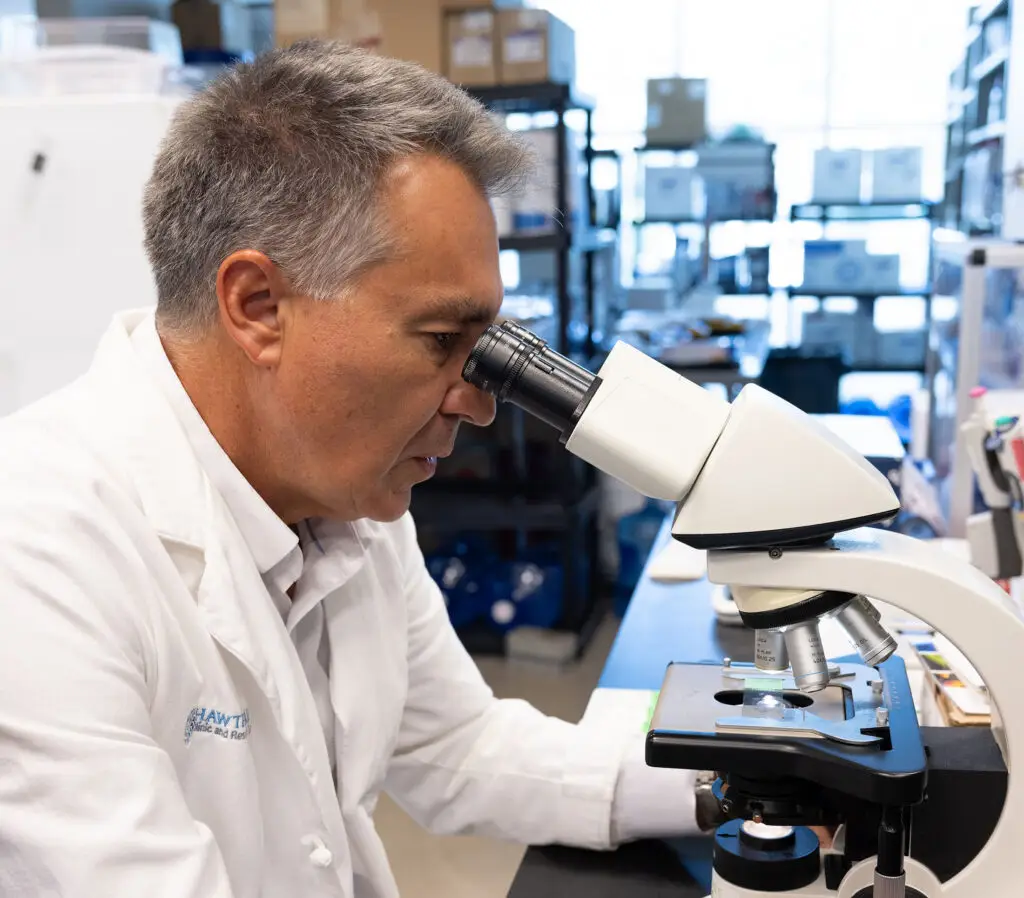
As scientists increasingly describe modern life as the Plasticene Era, concern is mounting over plastics now found in blood, placentas, lungs, and brain tissue. Quorum’s work—featured in the newly published book From Miracles to Menace: How Plastics Rewrote Human History—centers on what two doctors observed under the microscope: a naturally inspired protective biofilm capable of intercepting plastics before they enter human tissue.
“Plastics are no longer just an environmental problem—they’re a human one,” said Dr. Berkes.
In laboratory testing, this biofilm demonstrated the ability to bind and expel up to 98% of microplastics from the digestive system, offering a new biological strategy for addressing everyday plastic exposure from food, water, and air. Rather than relying on drugs or chemicals, the approach works by reinforcing the body’s natural barrier defenses.
The science behind the discovery was originally developed through two research awards from the U.S. Department of Defense’s Defense Advanced Research Projects Agency (DARPA). Drs. Monsul and Berkes were tasked with developing microbial protective barriers to shield warfighters and first responders from chemical and biological threats. The same barrier principle—preventing harmful particles from crossing into the body—now shows promise as a civilian application for plastic exposure.
Dr. Monsul trained at Yale University School of Medicine and completed fellowship training at The Johns Hopkins Hospital, where he later served on faculty. Dr. Berkes completed her medical training at the University of Florida and advanced research training at The Scripps Research Institute, with a focus on immunology and inflammatory disease. Together, they have spent more than a decade researching microbiome behavior and biofilm-based protection.
Quorum’s scientific progress coincides with rising legislative attention to plastics and human health, including the proposed Microplastics Safety Act (H.R. 4486) and broader Make America Healthy Again (MAHA) public-health initiatives. The company holds over 50 issued patents worldwide, with additional patents pending, establishing a strong intellectual-property foundation for biofilm-based barrier protection.
“Plastics are no longer just an environmental problem—they’re a human one,” said Dr. Berkes. “They’re in our food, our air, and increasingly, our bodies. This biofilm represents a biologically inspired shield built from mechanisms nature already gave us.” Quorum Innovations welcomes engagement from journalists, policymakers, and scientific leaders seeking credible, science-driven solutions to one of the defining health challenges of our time.