Plastic is woven into the routines that happen closest to your body: drinking water, packing lunch, reheating dinner, making coffee, and feeding your children. The best plastic alternatives are not about creating a picture-perfect, plastic-free home overnight. They are about reducing repeated contact where it matters most, especially around heat, food, and beverages.
Microplastics are now found across the environment, including the air, water, and food supply. That means total avoidance is not realistic. But exposure is not all-or-nothing. A few focused changes can reduce the amount of plastic touching what you eat and drink every day, without turning your kitchen into a chemistry lab.
Start Where Plastic Meets Heat and Food
Not every plastic item deserves the same urgency. A plastic bin holding dry goods in a cool pantry is a different concern than a scratched takeout container going into the microwave. Heat, wear, fatty foods, acidic foods, and repeated washing can all make food-contact plastics a less desirable choice.
Prioritize the objects used most often: water bottles, food-storage containers, cooking utensils, cutting boards, coffee equipment, and products used to heat meals. These swaps work because they are practical enough to become permanent. A cabinet full of expensive replacements does little if the items are too heavy, fragile, or inconvenient to reach for.
The goal is simple: create more distance between plastic and the food, water, and heat your body encounters every day.
The Best Plastic Alternatives in the Kitchen
Glass for storage, leftovers, and reheating
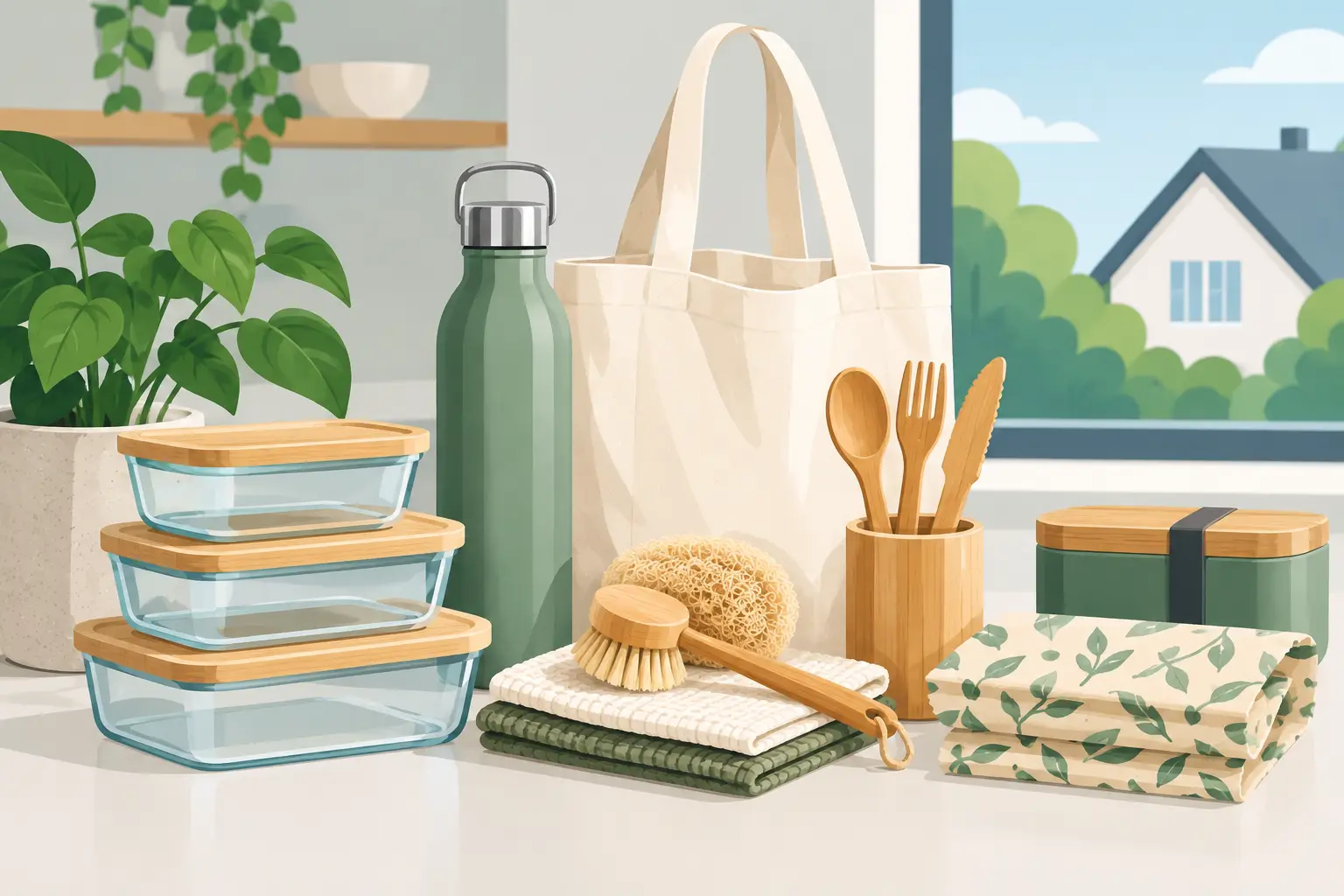
Glass is one of the strongest all-purpose replacements for plastic food containers. It is nonporous, easy to clean, does not retain odors the way many plastics can, and works well for leftovers, pantry staples, and meal preparation. Most importantly, glass containers make reheating simple. Transfer food from the refrigerator to a glass dish rather than microwaving it in a plastic tub.
Choose containers with glass bases and lids that do not touch food whenever possible. Many glass storage sets use plastic lids for a secure seal, which can still be useful. The point is not perfection. It is keeping hot food and liquids out of direct contact with plastic when you can.
Glass does have trade-offs. It breaks, weighs more than plastic, and may not suit a child’s lunchbox or an active commute. Use it where it is most likely to stay put: your kitchen, refrigerator, pantry, and dining table.
Stainless steel for water and life on the go
For reusable water bottles, insulated travel mugs, lunch containers, and food canisters, stainless steel is hard to beat. It is durable, portable, long-lasting, and especially useful for drinks that may sit for hours in a hot car, gym bag, or office.
Look for stainless steel interiors. A bottle may have a steel body but a plastic straw, lid, or mouthpiece, which does not make it worthless. It simply means the design still includes some food-contact plastic. If reducing that contact is your priority, choose a wide-mouth steel bottle with a steel cap or a minimal silicone gasket.
Stainless steel is also an excellent alternative to plastic single-use cutlery and containers for packed lunches. It is an investment, but a well-made piece can replace years of disposable items.
Wood and stainless steel for cooking tools
Plastic spatulas, ladles, and spoon rests are easy to overlook because they seem harmless. Yet they are often exposed to hot pans, bubbling sauces, and dishwasher cycles. Replace the tools you use over heat first with solid wood, stainless steel, or cast iron options.
Wooden utensils are gentle on cookware and comfortable to use, though they require hand-washing and occasional oiling to prevent drying. Stainless steel is nearly indestructible but can scratch some pans. Neither option is universally better. Match the tool to the cookware and cooking style you actually use.
For cutting boards, solid wood is a reliable choice for produce, bread, and cooked foods. Keep a separate board for raw meat if that helps your food-safety routine. Avoid composite boards marketed as bamboo fiber, wheat straw, or plant-based material unless the manufacturer clearly explains the binder. Many are made by combining plant fibers with plastic resins.
Silicone, with clear boundaries
Silicone is often presented as a perfect replacement for plastic. It is more heat-resistant than conventional plastic and can be valuable for baking mats, freezer bags, ice trays, and food covers. But it is still a synthetic polymer, not a plastic-free material.
Use silicone selectively rather than treating it as a universal answer. A high-quality silicone baking mat may replace dozens of rolls of disposable wrap. That is a meaningful improvement. But for hot soup storage or a daily drinking vessel, glass and stainless steel are usually the more direct choices.
Better Choices for Water, Coffee, and Takeout
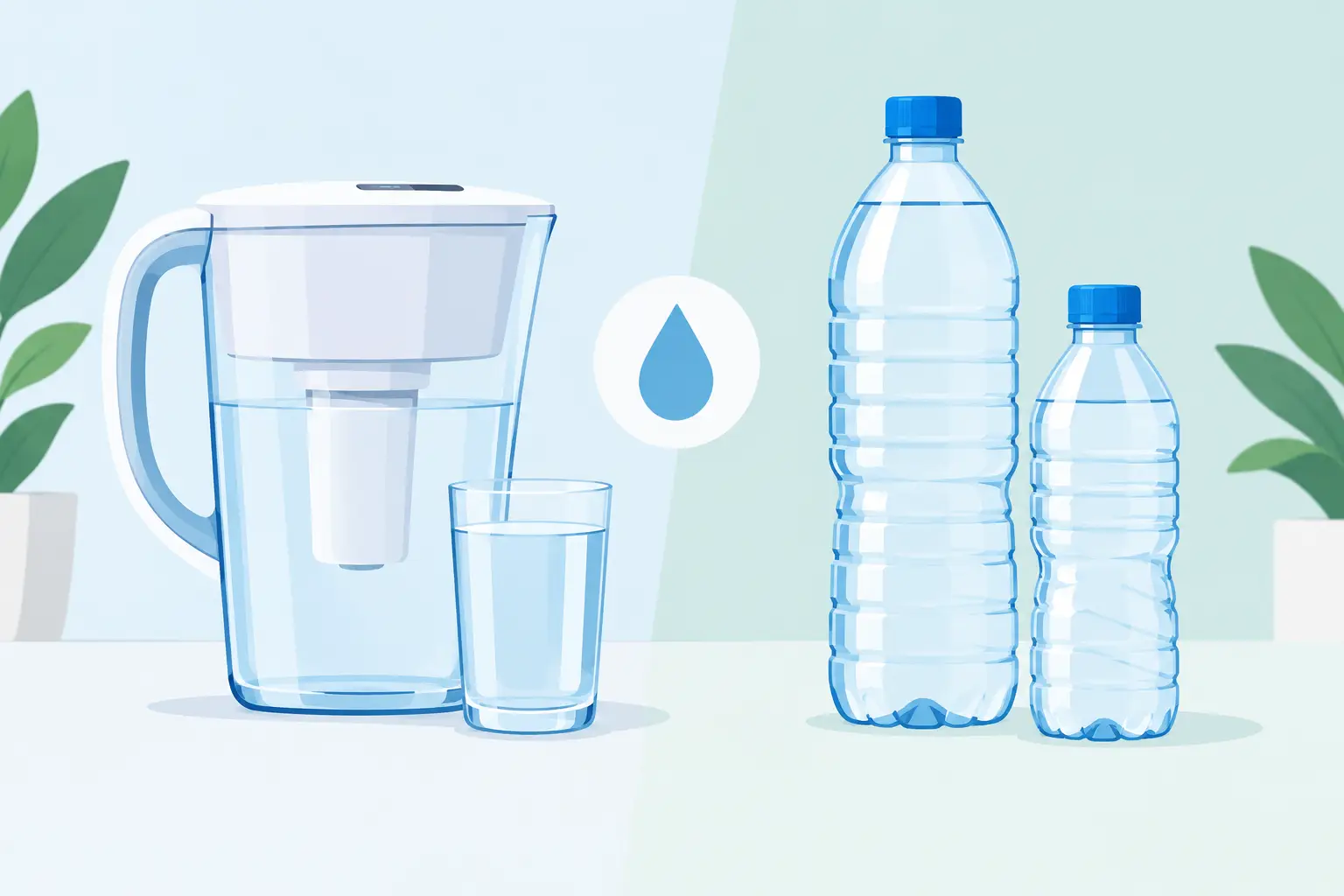
Bottled water is one of the easiest habits to reconsider. A home filtration system paired with a stainless steel or glass bottle reduces dependence on single-use bottles and gives you a repeatable routine. The right filter depends on your water source, local water quality, budget, and whether you need renter-friendly installation.
Coffee and tea deserve the same scrutiny. Many paper cups are lined with plastic, and some tea bags use plastic-based sealing materials. Brew at home in a glass, stainless steel, or ceramic system when possible. Choose loose-leaf tea with a stainless steel infuser, or seek tea bags specifically designed without plastic-based components.
Takeout is harder because convenience is part of why it works. You do not need to abandon it. When ordering, choose foods that are less likely to arrive steaming in a thin plastic clamshell, transfer meals to glass or ceramic as soon as you get home, and do not microwave the original container. Bringing a reusable container for restaurant leftovers can also eliminate one common source of food-contact packaging.
Watch for False Solutions
The label “eco-friendly” does not automatically mean low-plastic, low-exposure, or reusable. This is where well-meaning swaps can become expensive clutter.
Paper packaging may contain plastic coatings. Compostable cups and utensils may require industrial composting systems that are unavailable in many communities. Bamboo composites and bioplastics can still contain synthetic binders. Even recycled plastic remains plastic, and recycling does not make it ideal for repeated heat or food contact.
Read beyond the front label. Ask what the item is made of, whether it is intended for hot food, and how long you will realistically use it. A durable stainless steel container used for five years may be a stronger choice than a series of trendy, short-lived alternatives.
Make Changes That Stick
A lower-plastic routine works when it is built around your real day. Start by replacing one high-use item, then let that change become automatic. For one household, that may be a plastic water bottle. For another, it may be the microwave-ready leftovers container or the plastic coffee pod routine.
Keep replacements visible and easy to use. Put glass containers at the front of the cabinet. Keep reusable bottles washed and ready by the door. Store a set of utensils in a work bag or car. The less friction involved, the less likely convenience will pull you back to disposable plastic.
Food and water choices can reduce contact with plastic before it enters your digestive system. Because exposure from the broader environment cannot be fully controlled, some adults also build a daily internal defense into their wellness routine. Qi601’s My Gut Guardian™ is designed around a proprietary Biofilm Shield™ mechanism that helps trap, bind, and support the normal digestive elimination of microplastic particles.
A More Protective Standard for Everyday Products
The best plastic alternatives are the ones you will use repeatedly, safely, and without hesitation. Choose glass for hot leftovers and pantry storage, stainless steel for water and portable meals, wood or steel for cooking, and thoughtfully selected silicone only where its flexibility truly helps.
Start with the item that touches your food or water most often. Replace it this week, use it daily, and let one practical decision become part of your personal defense.