A pot of boiling water feels like one of the simplest ways to make drinking water safer. But does boiling water remove microplastics? Sometimes, in a limited and highly specific way. It is not a complete purification method, it does not eliminate every particle, and it cannot solve the larger reality that plastic exposure comes from far more than the water in your glass.
Still, the science offers a useful insight: when water is hard enough, boiling may help certain microplastic particles clump with mineral deposits and settle out. Knowing exactly where that benefit begins – and where it ends – can help you make smarter decisions without mistaking one kitchen habit for total protection.
Does Boiling Water Remove Microplastics? The Short Answer
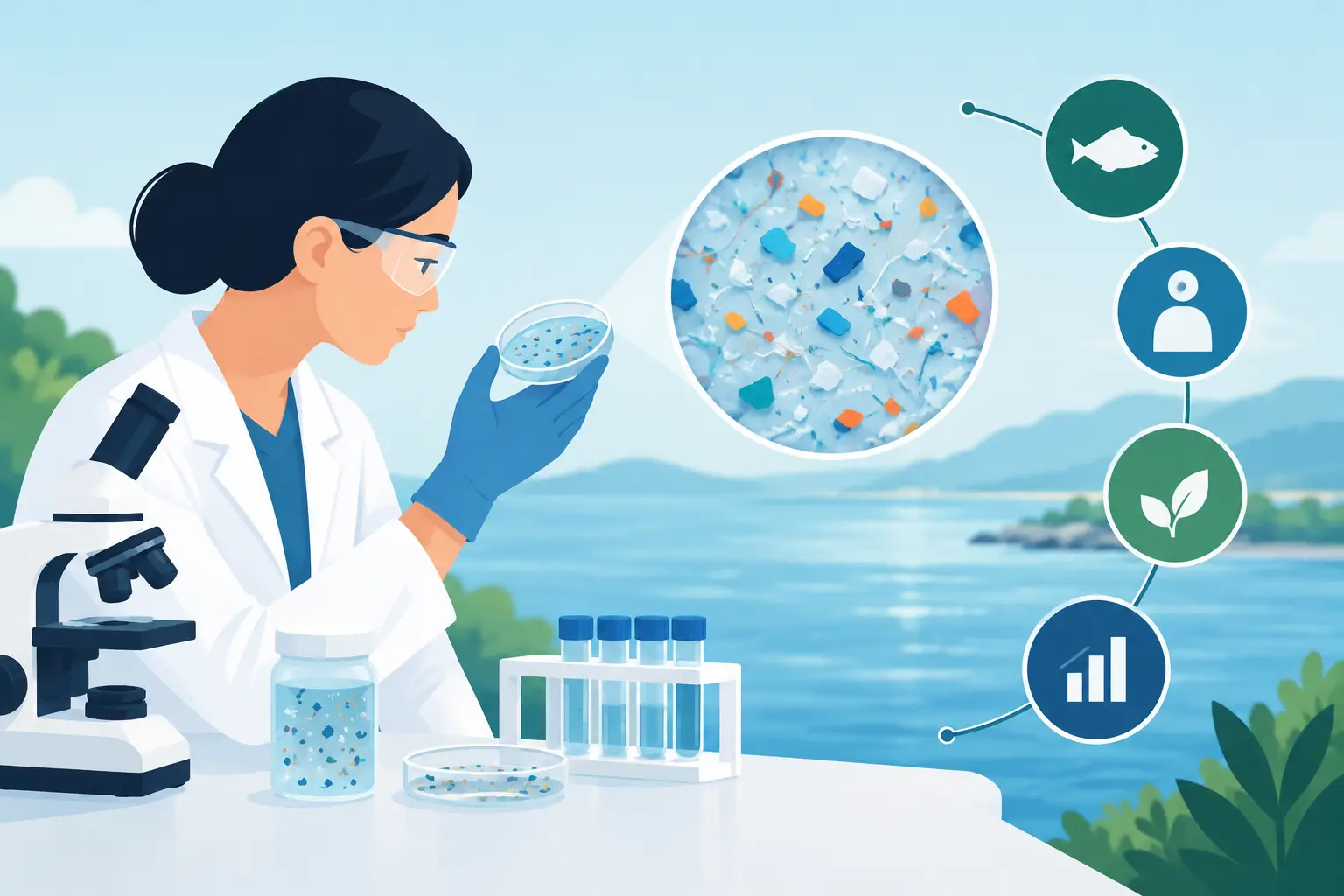
Boiling may reduce some microplastics in certain tap water, particularly hard water containing higher levels of calcium and magnesium. As water heats, those minerals can form a chalky mineral scale called limescale. In laboratory research, that scale has been observed trapping some plastic particles, allowing them to settle at the bottom or adhere to the side of the vessel.
The effect depends heavily on the mineral content of the water. Hard water can produce more mineral precipitate, which creates more opportunity for particles to become trapped. In softer water, less limescale forms, so the microplastic-reduction effect may be much smaller.
That distinction matters. Boiling is not the same as filtering. It does not reliably capture every size, shape, or type of plastic particle. It also does not turn contaminated water into plastic-free water.
Why Hard Water Changes the Equation
When hard water reaches a boil, dissolved calcium carbonate can come out of solution and form visible deposits. You may recognize it as the white film inside a kettle. Researchers have found that this mineral material can coat and entangle microplastic particles.
Think of it less like heat destroying plastic and more like mineral sediment catching some of it on the way down. The plastic remains plastic. The potential benefit comes only if the particle-mineral clumps are actually separated from the water before you drink it.
That means technique matters. If you boil water, let it cool, and then pour the clear water carefully while leaving sediment behind, you may avoid some particles caught in the deposits. Pouring, stirring, or drinking the sediment defeats much of the purpose.
There is another trade-off: boiling also evaporates water. If particles are not trapped in limescale and removed, evaporation can leave them more concentrated in the remaining water. This is one reason boiling should not be presented as a universal microplastic solution.
What About Soft Water?
Soft water contains fewer minerals that form limescale. Without that mineral precipitation, boiling has less material available to bind or settle particles. It may still change the behavior of some contaminants, but there is no reason to assume the same meaningful reduction seen under hard-water conditions.
If you do not know whether your tap water is hard or soft, check your local water report or look for clues such as mineral buildup on faucets, shower doors, and kettles. Even then, hardness alone cannot tell you exactly how many microplastics are in your water or how much boiling will remove.
What Boiling Cannot Do
Boiling is useful for killing many disease-causing microbes when done correctly. Microplastics are a different problem. They are physical particles, not living organisms, and normal household boiling temperatures do not make them disappear.
More importantly, plastic pollution is not limited to larger, visible fragments. Researchers are also studying nanoplastics, particles so small that they may behave differently in water and in the body. Whether boiling and mineral precipitation can consistently reduce these ultrafine particles remains much less certain.
Boiling also cannot address exposure that occurs outside your tap water. Microplastics have been detected in packaged foods, household dust, seafood, beverages, food-contact materials, and the air we breathe. A daily strategy has to acknowledge the full exposure picture.
Finally, the container matters. Heating water in worn plastic, using plastic utensils in very hot liquids, or repeatedly exposing plastic food containers to heat can be counterproductive. Heat and wear may increase the release of particles from some plastic materials. For boiling water, choose stainless steel, glass, or another heat-safe nonplastic vessel whenever possible.
A More Practical Water Routine
If your goal is to reduce particle exposure from drinking water, boiling can be one part of a layered routine – not the only step. Start by using a kettle or pot made of stainless steel or glass. If you have hard water, allow boiled water to cool undisturbed, then avoid pouring out any visible sediment.
For consistent particle reduction, a properly maintained water filter designed to physically reduce fine particulates is generally a more direct approach than boiling alone. Filtration performance varies by filter type, pore size, water conditions, installation, and replacement schedule. A neglected filter can become less effective, so maintenance is part of the protection.
You can also reduce unnecessary plastic contact around water. Store water in glass or stainless steel when possible. Avoid leaving bottled water in a hot car. Replace heavily scratched reusable plastic bottles. Do not assume every bottled-water option is cleaner simply because it is convenient.
None of these choices has to become an all-or-nothing lifestyle overhaul. The goal is to reduce avoidable exposure where you can, while building support for the exposure you cannot fully control.
The Missing Question: What Happens After Exposure?
Most conversations about microplastics stop at avoidance. That makes sense up to a point. Reducing what enters your body is a rational first move. But it leaves people with an honest and unsettling question: what about the particles already consumed through meals, water, and everyday life?
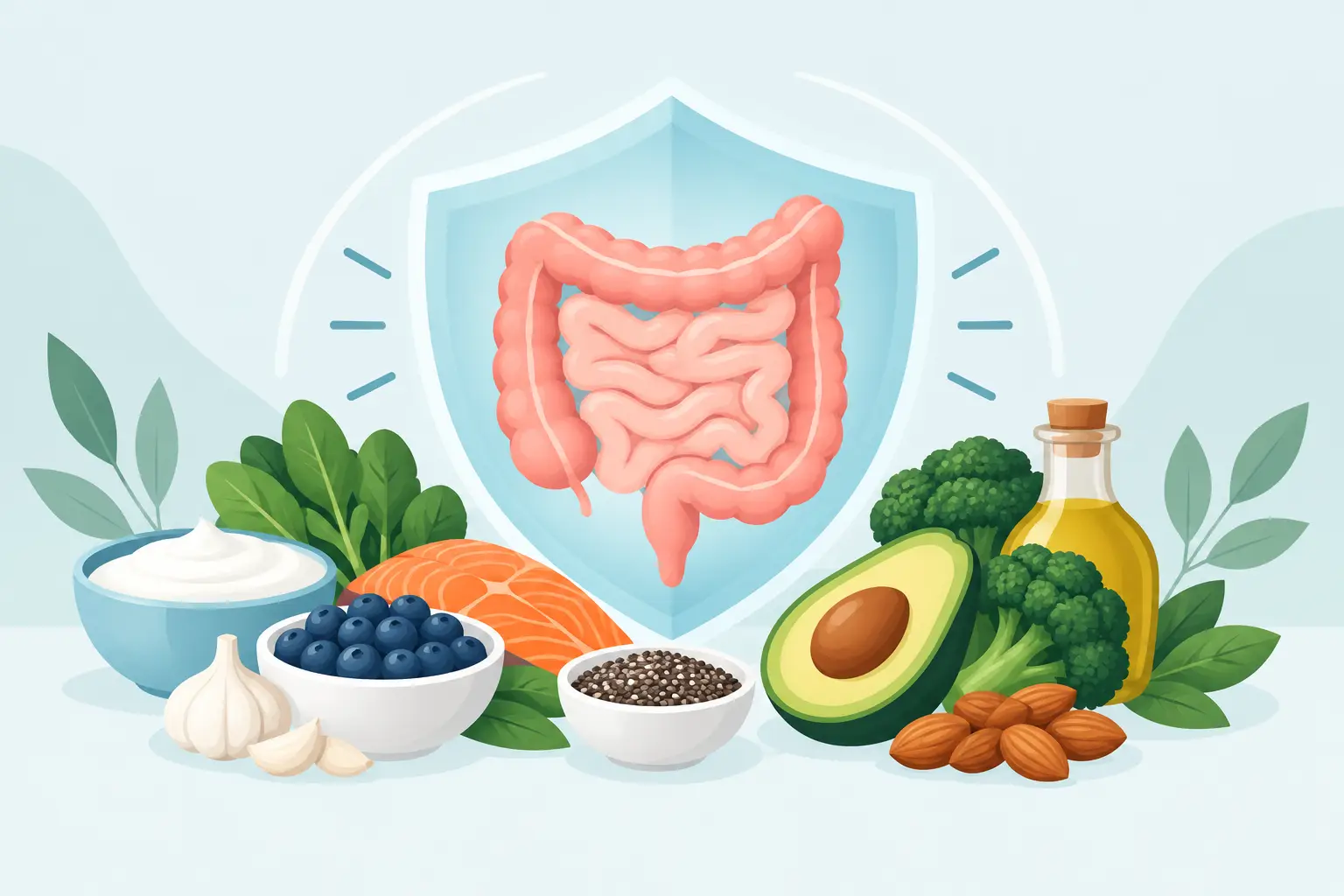
Your digestive tract is one of the main routes through which ingested particles move. Supporting normal digestive function matters because the body is already working to move what it does not need through its natural elimination processes. The emerging challenge is finding credible, targeted ways to support that process without relying on vague detox language or dramatic promises.
This is where a physical mechanism is more meaningful than a generic cleanse. Qi601’s My Gut Guardian™ uses Qi601™ Biofilm Shield™ technology, a proprietary postbiotic/probiotic approach designed to form an adhesive biofilm in the digestive tract. The intended function is straightforward: help trap and bind micro- and nanoplastic particles in the gut so they can move through normal digestive elimination.
Laboratory findings and human testing are central to evaluating claims in this category. Consumers should look for transparency about the mechanism, the testing behind it, and the limits of what a dietary supplement can claim. Supplements are not intended to diagnose, treat, cure, or prevent disease, and no capsule replaces safe water practices, a nourishing diet, or medical care when it is needed.
Avoid Panic. Build a Daily Defense.
The reality of microplastic exposure can feel impossible because plastics are woven into modern life. That is exactly why practical actions matter. Use safer materials around heat. Filter drinking water when appropriate. Treat boiling as a conditional tool rather than a cure-all. Support regular digestion. Make the next choice that meaningfully reduces exposure, then repeat it tomorrow.
You do not need to eliminate every piece of plastic from your home to take your health seriously. You need a plan grounded in what the science can support, one that reduces the particles you can avoid and gives your body thoughtful daily support for the rest.