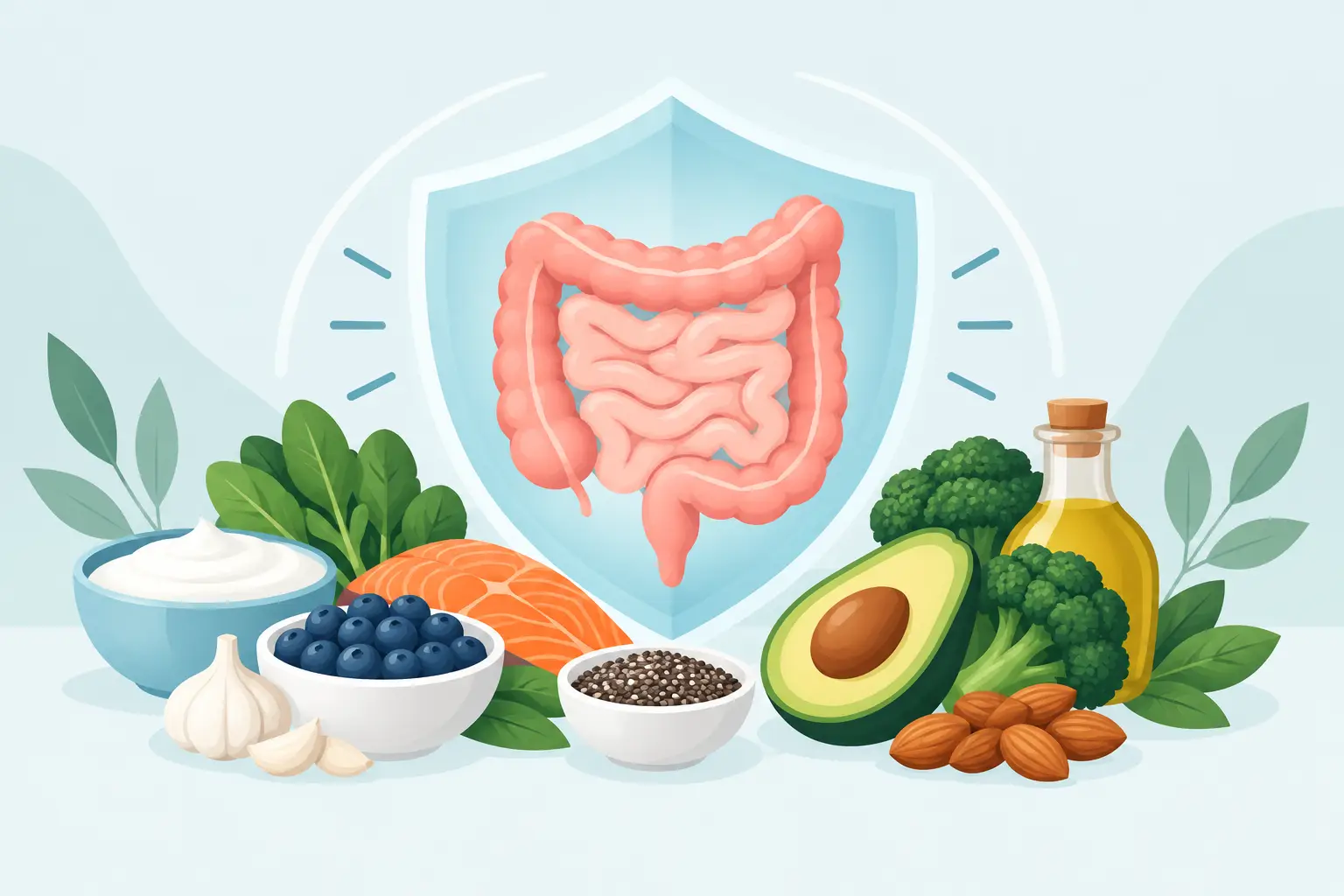
Your intestinal lining faces a constant workload. Food particles, microbes, medications, alcohol, stress signals, and environmental contaminants all pass through or interact with the digestive tract. The best gut barrier nutrients do not create an impenetrable wall. They help support the living, selective barrier your body already uses to decide what stays in the gut and what moves into circulation.
That distinction matters. A healthy gut barrier is not about chasing a trendy “gut reset” or taking every supplement on the shelf. It is about supplying the cells, mucus layer, immune defenses, and beneficial microbes with what they need to do their jobs – consistently.
What the gut barrier actually does
Your gut barrier has several layers of protection. A mucus layer helps separate intestinal contents from the intestinal wall. A single layer of epithelial cells forms the physical surface. Protein structures called tight junctions help regulate the spaces between those cells. Meanwhile, immune cells and the gut microbiome help determine how the barrier responds to what it encounters.
When these systems are well supported, the barrier can remain selectively permeable: allowing nutrients and water through while helping keep unwanted material in the digestive tract for elimination. When the system is under strain, symptoms may show up as changes in bowel habits, food sensitivity concerns, bloating, or digestive discomfort. Those symptoms are not a diagnosis by themselves, but they are a reason to look at the basics.
Microplastics add another modern pressure point. They are present in food, water, air, packaging, and household dust. Nutrition cannot erase exposure, but a well-supported digestive system can remain better equipped for its normal protective and elimination functions.
The 7 best gut barrier nutrients to prioritize
1. Protein and key amino acids
The cells lining the digestive tract turn over quickly. Protein provides the raw material for that renewal, while amino acids help support the proteins that make up tissue, enzymes, immune factors, and mucus.
Glutamine receives particular attention because intestinal cells can use it as a fuel source. Research is strongest in situations involving significant physical stress, illness, or intensive training, so it should not be marketed as a universal fix for every digestive complaint. Still, adequate protein from foods such as fish, eggs, poultry, dairy, tofu, beans, and lentils is foundational for anyone focused on barrier support.
If your meals are consistently low in protein, a specialized gut supplement is unlikely to compensate for the gap.
2. Zinc
Zinc supports normal immune function, cell division, and tissue repair – all relevant to an intestinal lining that must continually renew itself. Low zinc intake can occur with highly restricted diets, certain digestive conditions, heavy alcohol intake, or increased nutrient needs.
Food sources include oysters, beef, pumpkin seeds, chicken, beans, and fortified cereals. Zinc supplements can be useful when a clinician identifies a need, but more is not always better. Long-term high-dose zinc can interfere with copper status and may create a new problem while trying to solve another one.
3. Vitamin D
Vitamin D is better known for bone health, but it also helps regulate immune activity. Because immune signaling and the intestinal barrier are closely connected, vitamin D status is worth considering as part of a bigger gut-health picture.
Many Americans have low vitamin D levels, particularly during winter, with limited sun exposure, or when darker skin reduces vitamin D production from sunlight. Fatty fish, egg yolks, fortified milk, and fortified plant beverages contribute some vitamin D, though food alone may not be enough for everyone. Testing and individualized guidance are smarter than guessing at aggressive doses.
4. Omega-3 fats
Omega-3 fatty acids from seafood, especially EPA and DHA, support normal inflammatory balance throughout the body. That does not mean fish oil “heals” the gut barrier on command. It means a dietary pattern that includes omega-3 fats may support the balanced immune response that a healthy barrier depends on.
Salmon, sardines, trout, and herring are efficient choices. Plant foods such as chia, flax, and walnuts provide ALA, which the body converts to EPA and DHA only in limited amounts. For people who do not eat fish, algae-based DHA and EPA may be a practical alternative. Anyone using blood-thinning medication should discuss high-dose omega-3 supplements with a clinician.
5. Soluble fiber
Fiber is not merely about regularity. Certain fermentable fibers are used by beneficial gut microbes to produce short-chain fatty acids, including butyrate. Butyrate is a preferred fuel for colon cells and is strongly connected to a healthy intestinal environment.
Oats, beans, lentils, apples, citrus, barley, chia, and psyllium can all contribute soluble fiber. The trade-off is that suddenly adding large amounts can worsen gas, cramping, or bloating. Start with a small increase, drink enough water, and give the microbiome time to adapt. For people with active digestive disease, a personalized plan may be more appropriate than pushing fiber indiscriminately.
6. Polyphenols
Polyphenols are plant compounds found in deeply colored fruits, vegetables, cocoa, tea, herbs, extra-virgin olive oil, and coffee. They do not work like a single vitamin with one direct function. Instead, they interact with the microbiome and help support antioxidant defenses and normal cellular signaling.
A daily pattern matters more than a concentrated “superfood” powder. Berries with breakfast, olive oil on vegetables, unsweetened tea, and a wide range of plant foods create repeated exposure to these compounds. If coffee aggravates reflux or anxiety, it is not automatically a gut-barrier food for you. The best approach is the one your body tolerates and you can sustain.
7. Vitamin A and carotenoids
The intestinal mucus layer needs nutritional support, and vitamin A plays a role in normal immune and epithelial function. Preformed vitamin A is found in liver, eggs, and dairy, while carotenoids that can be converted to vitamin A are abundant in carrots, sweet potatoes, spinach, kale, and red peppers.
This nutrient requires restraint. Vitamin A is fat-soluble, and excessive supplemental preformed vitamin A can be harmful. Food-first intake is particularly sensible unless a qualified clinician has identified a deficiency or a specific need.
Nutrients are support, not a shield from every exposure
Food is a powerful daily input, but it cannot fully control the contaminants moving through modern life. You can choose more whole foods, filter drinking water, avoid heating food in damaged plastic, and improve digestion-supporting habits. You cannot realistically eliminate every microplastic particle from your environment.
That is why a targeted physical approach can have a place alongside nutrition. My Gut Guardian™ powered by Qi601™ Biofilm Shield™ technology is designed to form an adhesive biofilm in the digestive system that traps and binds micro- and nanoplastic particles, supporting their normal digestive elimination. It is not a replacement for nutrient-dense food, and food is not a replacement for a targeted microplastic-defense strategy. They address different parts of the same modern challenge.
Build the routine before buying more bottles
Start with the pattern that carries the most weight: enough protein at meals, a gradual increase in fiber-rich plants, seafood or another omega-3 source, and regular intake of colorful produce. Then consider whether a documented deficiency, dietary restriction, medication, or medical condition changes your needs.
Be especially careful with “gut repair” products that promise to cure chronic symptoms or make broad detox claims. Persistent diarrhea, blood in stool, unexplained weight loss, severe pain, fever, or new symptoms after age 50 deserve medical evaluation, not a supplement experiment.
A resilient gut barrier is built through ordinary decisions repeated over time: the breakfast that contains fiber, the dinner that includes protein and vegetables, the nutrient gaps you identify instead of assume, and the daily defenses you choose against exposures that do not belong in your body.