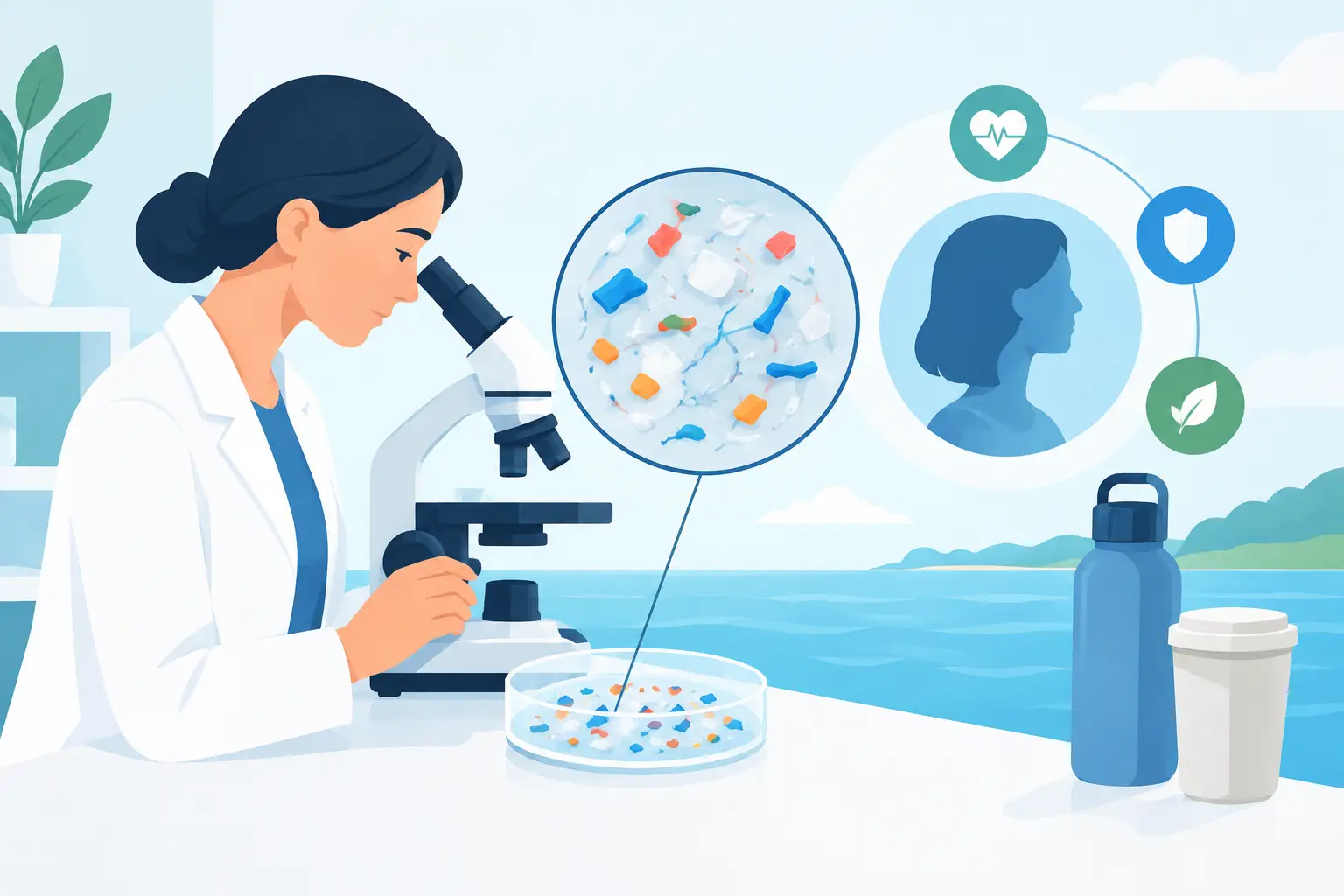
A plastic bottle can be recycled. A plastic particle already swallowed with lunch is a different problem. That is why the future of microplastic testing matters far beyond environmental reports and research headlines. It is moving toward a more personal question: What is getting into your body, how much can be measured reliably, and what practical steps can you take while science catches up?
Microplastics have been identified in food, water, air, consumer products, and human samples. The concern is no longer limited to ocean waste or littered shorelines. Plastic exposure has become part of daily life, often invisible and difficult to avoid completely. Better testing will not eliminate that reality overnight. It can, however, make the threat more measurable, more understandable, and harder to ignore.
Why Microplastic Testing Has Been So Difficult
The phrase “microplastics” covers a wide range of particles. Some are visible under magnification. Others are far smaller, including nanoplastics that may be measured in billionths of a meter. They come in different shapes, chemical compositions, colors, and states of degradation. A fragment from packaging does not behave exactly like a fiber shed from synthetic fabric or a particle worn from a plastic food container.
That variety creates a basic testing challenge: researchers are not always measuring the same thing. One laboratory may count particles above a certain size, while another measures mass, polymer type, or particle concentration. A study that finds hundreds of particles in a sample may sound directly comparable to one that finds thousands, but the collection method, sample preparation, equipment, and reporting threshold may be entirely different.
Contamination is another serious obstacle. Plastic fibers can enter a sample from laboratory air, clothing, containers, gloves, or equipment. If a test is designed to detect tiny particles, it must also prove that it did not accidentally introduce them. The best laboratories use strict controls, filtered air and liquids, blank samples, and careful handling procedures. Without those safeguards, testing can create noise instead of answers.
The stakes are high because a weak result can create false reassurance, while an overstated result can create unnecessary fear. The goal is not simply to find more plastic. The goal is to measure it accurately enough to guide real decisions.
The Future of Microplastic Testing Will Depend on Standards
Before microplastic testing can become broadly useful for consumers, clinicians, regulators, and product manufacturers, the field needs shared standards. That means clearer agreement on how samples are collected, how particles are identified, what size ranges are included, and how results are reported.
Several analytical approaches are shaping that future. Infrared spectroscopy can help identify polymer types by reading a material’s chemical fingerprint. Raman spectroscopy can detect smaller particles and offer detailed chemical information, although the process can be slow and technically demanding. Pyrolysis gas chromatography-mass spectrometry breaks a sample down to identify and quantify plastic polymers by mass. It can be highly sensitive, but it does not always preserve information about particle shape or count.
No single technique is perfect. Imaging-based methods can show where particles are and what they look like, but may miss the smallest particles. Mass-based methods can estimate polymer burden, but may not reveal the number of individual particles. The strongest research will increasingly combine methods rather than pretend one instrument answers every question.
That trade-off matters. A cheap, rapid test that gives a vague signal may be useful for screening. A slower, more expensive test may be necessary when precision matters. The future is likely to include both: high-quality laboratory analysis for confirmation and faster tools that make routine monitoring more practical.
From Environmental Samples to Human Samples
Testing water, soil, seafood, and household dust is challenging enough. Testing human samples adds another layer of complexity. Blood, stool, urine, placental tissue, and other biological samples contain proteins, fats, cells, and natural compounds that must be separated without damaging or losing the particles being measured.
Stool testing may become particularly relevant because the digestive tract is a primary route of exposure and elimination. It could help researchers understand the particles entering the body through food and beverages, as well as the particles leaving through normal digestion. But it is not yet a simple scorecard of total body burden. A stool result may reflect recent exposure, diet, transit time, sample collection, and the laboratory method used.
That distinction is essential. A consumer-facing test should not imply that one sample can diagnose plastic-related illness, predict future disease, or measure every particle stored throughout the body. Responsible testing must communicate what a result can show, what it cannot show, and how much uncertainty remains.
What Personal Microplastic Testing Could Look Like
As methods improve, microplastic testing may follow a path similar to other forms of personal health data. First comes specialized research. Then clinical and commercial laboratories refine the process. Eventually, consumers may have access to carefully validated testing options with clear instructions and meaningful reference ranges.
The most useful version will not be a fear-based number dropped into an app. It will provide context. Was the sample compared against laboratory blanks? Which polymers were detected? What particle sizes could the method measure? Does the result reflect particle count, mass, or both? How does the lab prevent contamination? These details are not technical fine print. They determine whether the result deserves trust.
More personal data could also reveal exposure patterns. Someone who relies heavily on bottled beverages, reheats food in plastic containers, or works in a setting with high synthetic-fiber dust may have different exposure sources than someone else. Testing may help identify patterns worth changing, even when it cannot pinpoint the exact source of every particle.
Privacy will matter as well. If microplastic data becomes part of personal health tracking, consumers should know who owns the information, whether it can be shared, and how it will be used. Personal exposure data should serve the person tested, not become another asset collected without meaningful consent.
Better Testing Should Lead to Better Protection
Testing is only valuable if it supports action. You do not need to wait for a perfect personal test to reduce avoidable exposure. Practical steps include using glass or stainless steel for hot food and drinks when possible, avoiding heating food in plastic, replacing heavily worn plastic containers, and choosing filtered water based on your household needs.
Those choices can reduce certain exposure pathways, but they cannot create a plastic-free life. Microplastics are already present in the environment, and many exposures happen outside your direct control. That is exactly why personal protection needs to extend beyond avoidance alone.
Your digestive system is not just where exposure occurs. It is also a major route through which the body can move ingested material out. A science-forward response should focus on supporting normal digestive function while addressing particles before they have the opportunity to remain in the system longer than necessary.
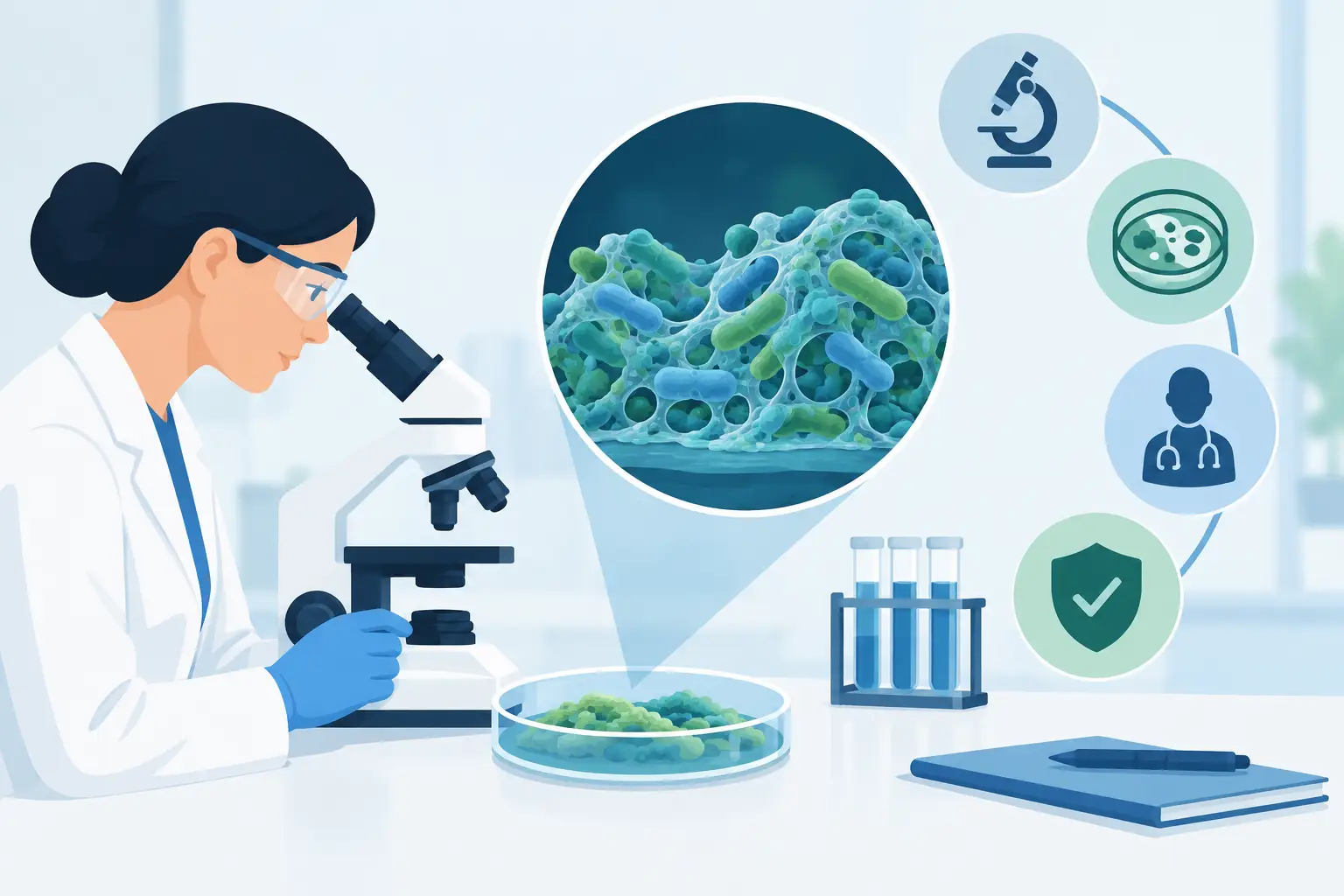
Qi601 approaches this problem with My Gut Guardian™, powered by Qi601™ Biofilm Shield™ technology. Its proprietary postbiotic/probiotic strain is designed to form an adhesive biofilm in the digestive system that acts like a magnet, helping trap and bind micro- and nanoplastic particles for normal digestive elimination. The company reports laboratory findings of up to 98% particle binding, alongside doctor-led development, human testing, and a patent portfolio of more than 50 patents.
That kind of mechanism matters because it is specific. General wellness language is not the same as a targeted physical approach to a modern exposure problem. Still, consumers should keep the role of supplements clear: they are not diagnostic tests, they do not replace medical care, and they should not be presented as treatments for disease. The strongest health decisions combine credible evidence, sensible exposure reduction, and daily habits that are realistic enough to maintain.
The Next Question Is Not Whether Plastics Are Present
The evidence will continue to become more precise. Laboratories will detect smaller particles, distinguish more polymer types, and develop cleaner methods for measuring complex human samples. Regulators and researchers will face pressure to define meaningful thresholds and determine which exposures deserve the greatest concern.
But the most useful shift may be psychological. Microplastic exposure has felt too large to act on because it is everywhere. Better testing changes the conversation from helplessness to informed vigilance. It gives scientists a clearer map and gives people a reason to demand cleaner products, stronger standards, and more transparent materials.
You do not need perfect data to protect what matters. Start with the exposure changes you can control, support the body systems that help carry unwanted material out, and expect more from the products and institutions that put plastic into your daily path. Plastics do not belong in your body. The next generation of testing can help make that truth impossible to dismiss.