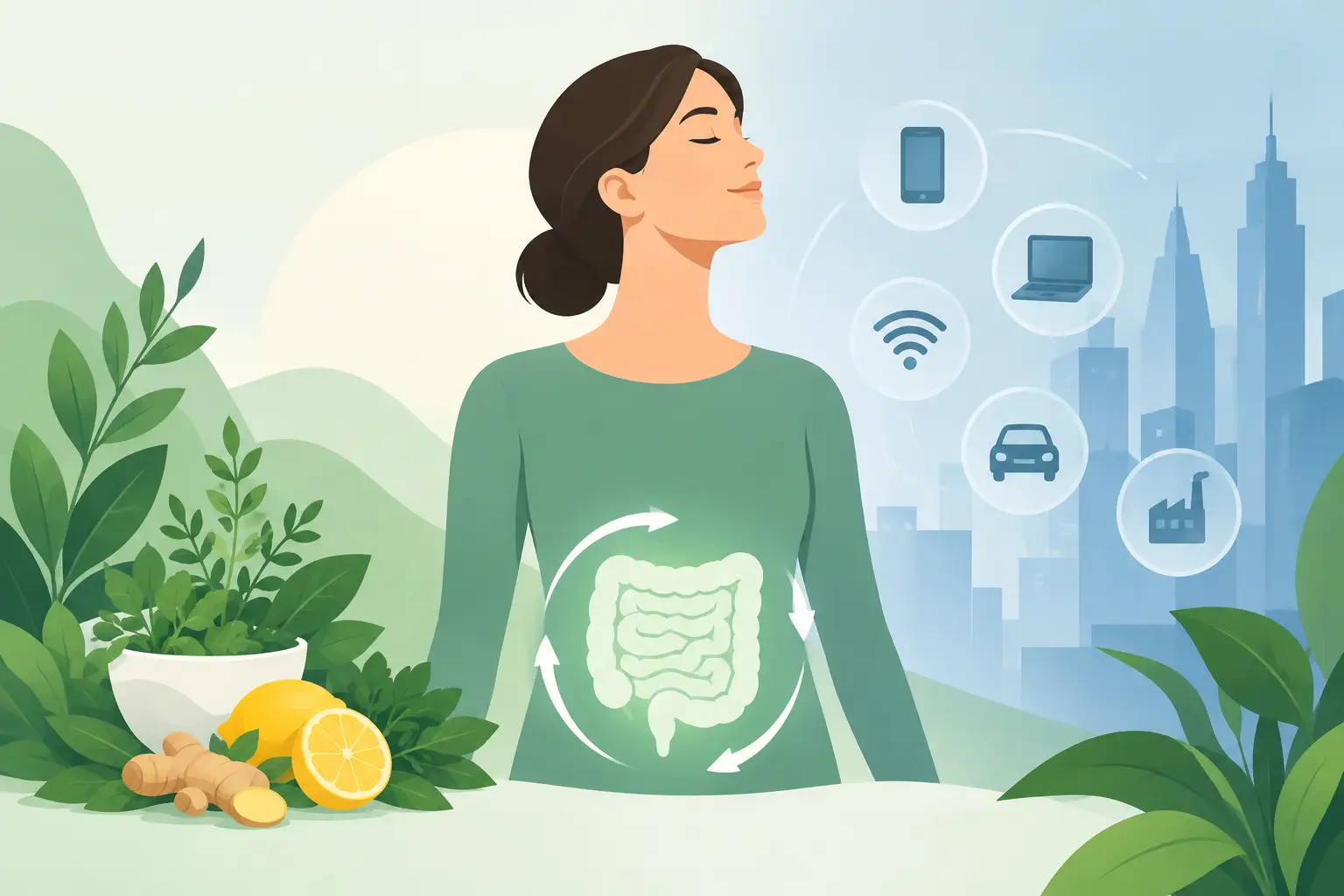
Microplastics are not an abstract environmental issue when they are moving through the food, water, and air around you every day. You cannot realistically avoid every source. But you can take a more active role in what happens after exposure. Natural elimination support is about helping your digestive system do the work it was designed to do: move unwanted material through and out.
That distinction matters. Your body is not a storage unit for modern environmental debris. A practical daily strategy should support normal digestive clearance without asking you to follow an impossible plastic-free lifestyle or rely on harsh cleanse rituals.
The Real Goal of Natural Elimination Support
“Detox” is often used as a catchall term, but your body already has sophisticated systems for processing and clearing what it does not need. The digestive tract is one of the most direct routes involved in that process. What you eat, how consistently you move your bowels, your hydration, your fiber intake, and the condition of your gut environment all influence normal elimination.
Natural elimination support does not mean forcing a result with stimulant laxatives, extreme fasting, or a short-lived juice cleanse. Those approaches can be uncomfortable, disruptive, and poorly suited to daily life. A more durable approach works with normal digestive transit and supports the physical removal of material through regular digestion.
For people concerned about micro- and nanoplastic exposure, the question becomes more specific: Is there a way to help keep particles moving through the digestive tract rather than leaving them to linger? That is where a targeted gut-based strategy can offer a meaningful layer of daily defense.
Why Gut Transit Matters for Particle Clearance
Microplastic particles can enter the body through common routes, including packaged foods, drinking water, seafood, household dust, and airborne particles. Reducing avoidable exposure is sensible, but exposure reduction alone has limits. Plastic is embedded in the modern environment.
Once particles enter the digestive tract, normal transit matters. Food, fluid, fiber, digestive secretions, and resident microbes all move through a constantly changing system. Supporting regularity may help the body carry waste and non-nutritive material toward elimination through stool.
This is not a promise that any routine can erase environmental exposure or replace medical care. It is a practical response to a practical problem: support the body’s normal processes every day, rather than waiting for a once-in-a-while reset.
Regularity Is Not the Same as a “Cleanse”
A healthy elimination routine should feel sustainable. If a product causes urgency, cramping, or dependency, it may be pushing the digestive tract rather than supporting it. The goal is not dramatic output. The goal is consistent, comfortable bowel habits that fit your body.
For many adults, the fundamentals remain foundational: adequate fluid intake, plant-rich meals, appropriate dietary fiber, movement, sleep, and attention to stress. These factors are not glamorous, but they help establish the conditions for normal digestive function.
Targeted supplements can complement those habits when their mechanism is clear. The key is knowing what the supplement is designed to do and what it is not designed to do.
A Different Approach: Biofilm-Based Particle Binding
Most gut supplements are broad by design. They may focus on general microbiome balance, digestive comfort, or occasional regularity. Those benefits can be useful, but microplastic exposure presents a narrower challenge.
Qi601 approaches that challenge with its proprietary Qi601™ Biofilm Shield™ technology. Rather than relying on a generic detox blend, the daily capsule is formulated with a proprietary postbiotic/probiotic strain designed to form an adhesive biofilm in the digestive system. Think of that biofilm like a magnet-like protective layer: it is designed to trap and bind micro- and nanoplastic particles in the gut, supporting their normal passage through digestion.
The mechanism is important because it is physical and targeted. The objective is not to make sweeping claims about changing every system in the body. It is to support the normal digestive elimination of particles encountered in the gut.
Laboratory findings associated with the technology have shown up to 98% binding of plastic particles under study conditions. That is a compelling signal, but laboratory conditions are not identical to daily life. Individual results can vary based on diet, digestive transit, exposure patterns, and other personal factors. What makes the approach distinctive is the focus: bind what enters the digestive tract, then support normal clearance.
What a Daily Elimination-Support Routine Can Look Like
The most effective routines are usually the ones people can maintain. A once-daily capsule can fit alongside the habits that already protect digestive health, including balanced meals, hydration, and movement.
Start with consistency. Taking a gut-focused supplement sporadically may not provide the same routine-based support as taking it daily according to label directions. Environmental exposure is not limited to a single event, so a daily approach makes more sense than an occasional reaction.
Then support the basics. Fiber adds bulk and can support normal stool formation, but increasing it too quickly can lead to gas or discomfort. Hydration helps fiber do its job, and regular physical activity can support digestive motility. If you have ongoing constipation, unexplained digestive symptoms, blood in stool, significant pain, or a sudden change in bowel habits, speak with a qualified healthcare professional rather than trying to solve it with a supplement alone.
Finally, keep expectations grounded. Natural elimination support is not about feeling “flushed.” It is about supporting normal function with a measured, repeatable routine.
What to Look for in a Targeted Formula
Not every product marketed for cleansing or gut health serves the same purpose. For an exposure-conscious consumer, clarity is more valuable than vague promises. Look for a formula with a defined mechanism, transparent use directions, and a role that makes sense within your broader health routine.
A targeted product should also avoid asking you to accept false choices. You do not need to choose between reducing your exposure where practical and supporting normal elimination. Use a reusable glass or stainless-steel bottle when it works for you. Store hot food in lower-plastic options when possible. Improve food quality and dietary diversity. Then add a daily gut-focused defense that addresses the particles you cannot completely avoid.
It also helps to distinguish supportive claims from disease claims. Dietary supplements are intended to support normal structure and function, not diagnose, treat, cure, or prevent disease. That statutory distinction is not fine print to ignore. It is part of making informed, responsible decisions about wellness products.
Protection Should Be Practical
Concern about plastics can become paralyzing if every meal, bottle, and household item feels like another threat. A better response is informed action. Reduce what you can. Do not obsess over what you cannot. Support the body systems that already work to process and eliminate waste.
Natural elimination support is not a shortcut around healthy habits, and it is not a reason to ignore persistent symptoms. It is a daily practice built around a simple principle: exposure may be unavoidable, but passive acceptance is optional.
Your digestive tract is one of your body’s frontline defenses. Treat it that way. Build routines that support regularity, choose targeted science where it fits, and give your body a consistent opportunity to move unwanted particles in the direction they belong: out.