That leftover soup sitting in a thin plastic container is more than a meal for tomorrow. It is another point of contact between food and plastic. Choosing the best materials for food storage will not remove plastic from modern life, but it can meaningfully reduce the contact happening in your own kitchen, meal after meal.
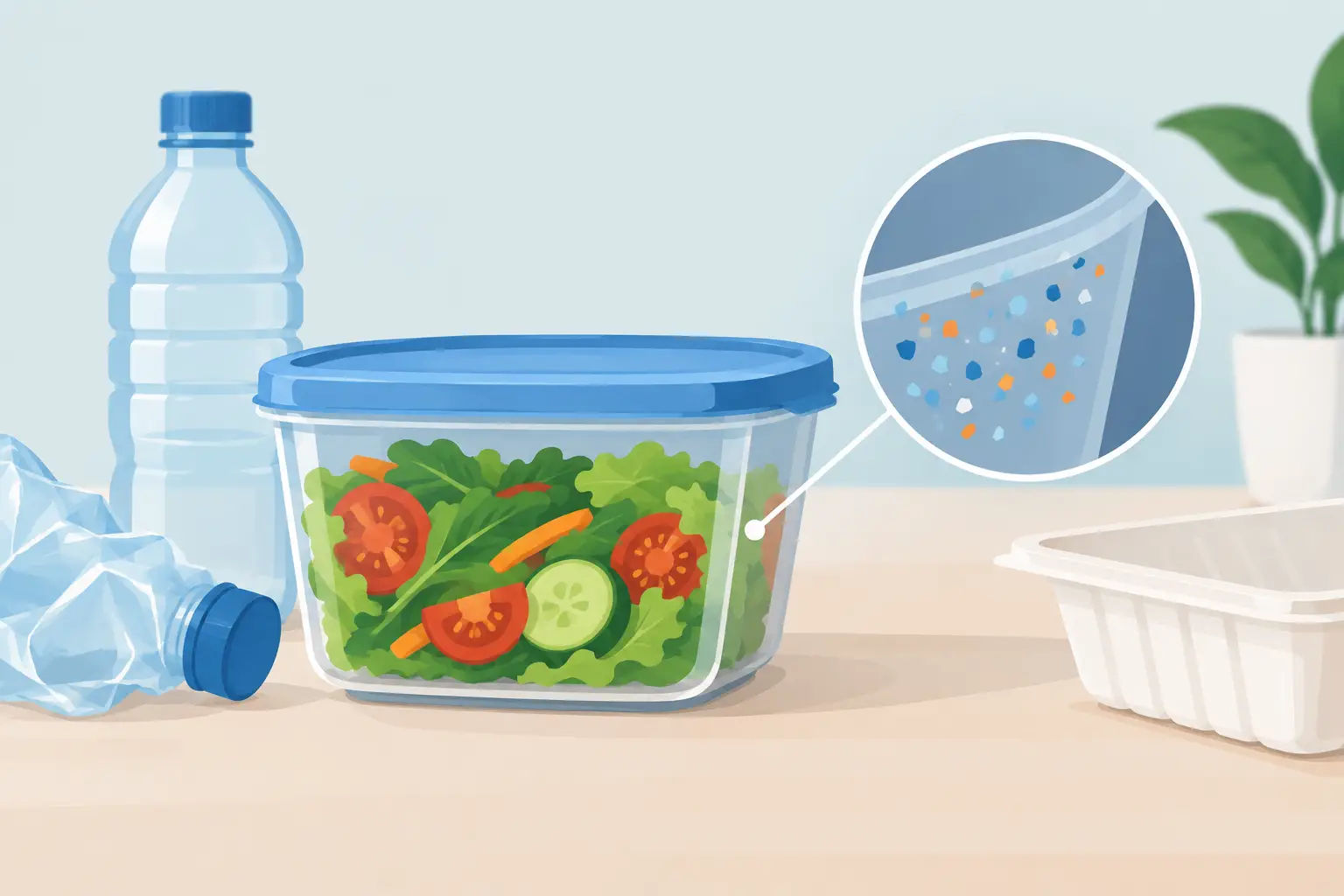
Microplastics are already found in food, water, and air. Heat, friction, aging, and repeated washing can all affect how food-storage materials perform over time. The practical response is not panic or perfection. It is building a kitchen routine that puts stable, durable materials between your food and unnecessary plastic contact whenever you can.
What Makes a Food Storage Material Better?
The right container is not always the same for every food, trip, or kitchen shelf. A good storage material should be nonreactive with food, easy to clean, durable enough for repeated use, and appropriate for the temperature involved. A container that works well for dry pantry staples may not be the best choice for hot soup or acidic tomato sauce.
For people seeking to reduce plastic exposure, temperature is one of the biggest decision points. Putting hot food into plastic, microwaving plastic containers, or running worn plastic through a high-heat dishwasher cycle creates more uncertainty than storing cool, dry food briefly. That does not mean every plastic container is inherently unsafe or that a single use defines your health. It means repeated exposure is worth managing with better defaults.
The most effective strategy is simple: reserve plastic for the situations where its flexibility is genuinely useful, and use glass, stainless steel, or high-quality silicone for the jobs they do better.
Best Materials for Food Storage, Ranked by Use
Glass: the all-purpose kitchen standard
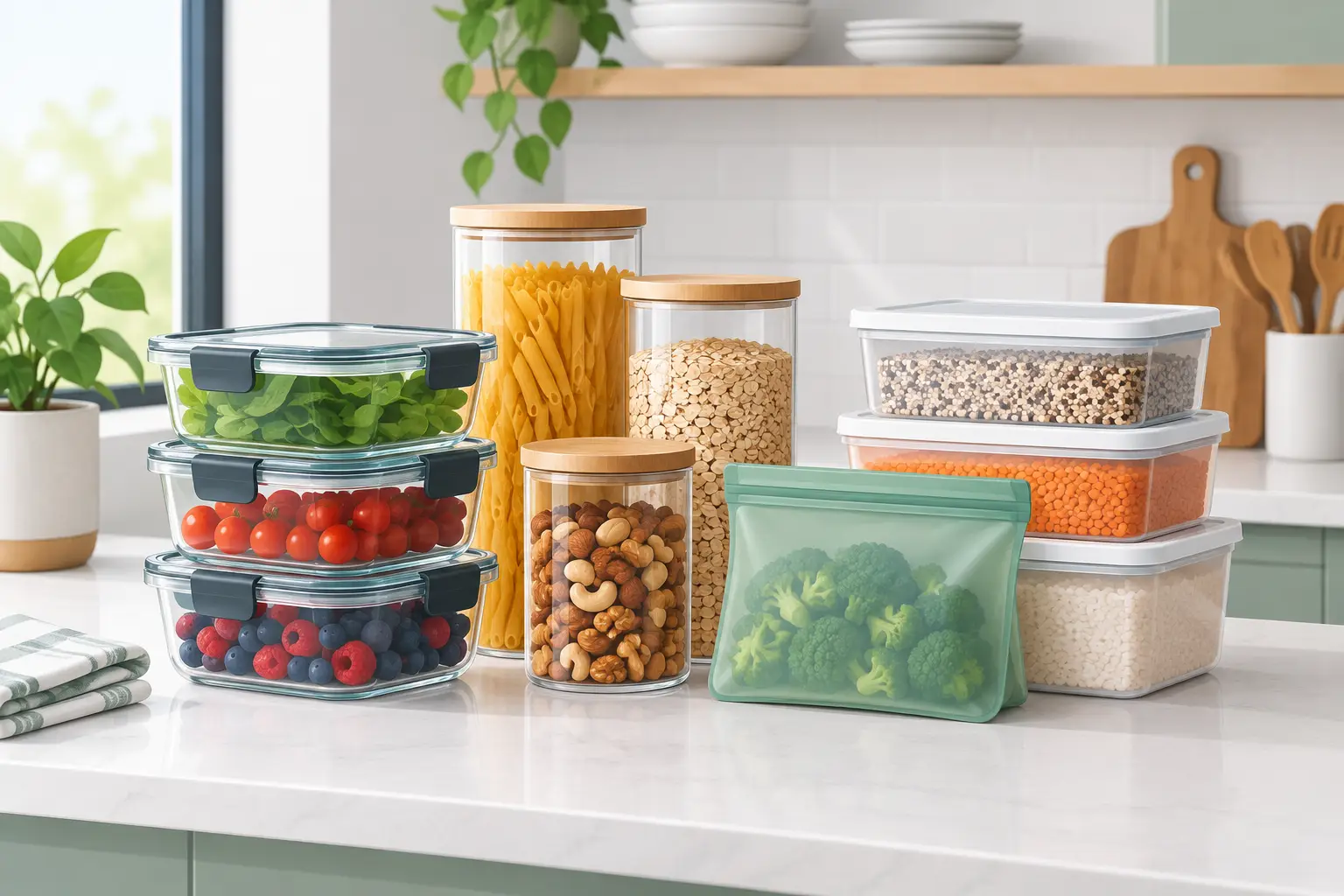
Glass is the strongest everyday choice for leftovers, meal prep, pantry storage, sauces, and refrigerated foods. It is nonporous, does not retain food odors easily, and lets you see what is inside before something disappears into the back of the fridge. Glass also performs well with acidic foods such as citrus, vinegar-based dressings, and tomato dishes.
For reheating, glass is often the cleaner option when it is labeled oven- or microwave-safe. Let very hot foods cool slightly before sealing, and avoid sudden temperature shifts that can crack glass. Moving a container directly from freezer to hot oven is not a shortcut worth taking.
The trade-off is weight and breakage. Glass containers are less convenient for a child’s backpack, a crowded commute, or outdoor meals. But for the home kitchen, glass earns its place as the default workhorse.
Stainless steel: built for durability and portability
Stainless steel is an excellent choice for lunches, snacks, dry foods, prepped produce, and leftovers that will stay cold until eating. It is light compared with glass, nearly impossible to shatter, and exceptionally durable. A well-made stainless steel container can remain in rotation for years rather than becoming another worn item to replace.
It is especially useful when food will travel. Think cut fruit, sandwiches, rice bowls, roasted vegetables, trail mix, or cooked proteins. Stainless steel is also a smart upgrade for frequently used items such as lunch boxes and snack containers, where plastic often gets scratched, stained, and repeatedly washed.
Its limitation is visibility and microwave use. You cannot see the contents without opening it, and metal never belongs in a microwave. Highly acidic foods can be stored in quality stainless steel for typical meal-prep periods, but glass may be preferable for long storage of intensely acidic recipes.
Silicone: useful when flexibility matters
Food-grade silicone occupies a useful middle ground. It is flexible, lightweight, and well suited to freezer bags, ice molds, baking cups, collapsible containers, and portioned snacks. For households trying to replace disposable zip-top bags, reusable silicone bags can reduce a major source of single-use plastic waste.
Not all silicone products are made to the same standard. Look for products specifically designated as food-grade and intended for the temperature range you plan to use. Silicone is particularly practical for cold storage and freezing. When using it with heat, follow the manufacturer’s instructions and avoid products that carry strong chemical odors or feel poorly made.
Silicone can retain odors from pungent foods and is often harder to scrub thoroughly than glass. It works best as a targeted tool, not necessarily as the only material in your kitchen.
Ceramic: best for short-term storage and serving
Ceramic bowls with properly fitted lids can be a useful option for refrigerated leftovers and serving dishes. High-quality, food-safe ceramic is stable, easy to clean, and attractive enough to move directly from refrigerator to table. It is ideal for a bowl of prepared salad, a grain dish, or food you expect to finish within a day or two.
The main consideration is the glaze and the lid. Choose ceramic made for food use from reputable manufacturers, and recognize that many lids are still plastic or silicone. Ceramic is also heavy and can chip, so it tends to be a secondary storage material rather than a full replacement for glass containers.
Materials to Use More Carefully
Plastic does have practical advantages. It is lightweight, inexpensive, and useful when breakage would create a problem. The goal is not to throw away every container you own overnight. It is to use plastic more selectively.
Avoid using worn, cloudy, scratched, or warped plastic for food storage. Damage creates more surface area and makes containers harder to clean. Skip microwaving food in plastic whenever possible, especially fatty foods or liquids that heat intensely. If you use a plastic container for transport, transfer food to glass or ceramic before reheating.
Single-use takeout containers deserve special attention. They are convenient, but they are not designed to become your permanent leftover system. Move food into a durable container once you are home, particularly if the meal is hot, oily, or acidic.
Plastic wrap and disposable bags can be harder to eliminate completely. Use them strategically for short, cold storage when needed, while relying on fitted glass lids, stainless containers, beeswax-style wraps, or reusable silicone bags for the tasks they can handle.
Match the Material to the Food and Temperature
A kitchen with fewer plastics does not require a cabinet full of matching containers. It requires better pairings. Store hot leftovers in glass after they have cooled briefly. Pack school or work lunches in stainless steel. Freeze soups, sauces, and chopped ingredients in glass jars designed for freezing or in freezer-safe silicone bags. Keep dry goods such as oats, nuts, flour, and rice in glass jars or stainless canisters.
For large batch cooking, prioritize wide, stackable glass containers with leak-resistant lids. For travel, choose stainless steel. For food that needs to be squeezed into a narrow freezer space, silicone earns its keep. This approach is more realistic than trying to force one material into every role.
Also consider the lid. A glass base with a plastic lid still reduces direct contact with food along the container walls and bottom, but soups and sauces may touch the lid when stacked or carried. Keep containers upright when possible, avoid filling them to the brim, and replace cracked or degraded lids.
A Practical Upgrade Plan That Sticks
Start with the containers you use most often, not an expensive kitchen overhaul. Replace the cracked lunch container, the stained leftover tubs, and the disposable takeout boxes accumulating under the sink. Add a small set of glass containers in useful sizes, then one or two stainless steel options for meals on the go.
Next, change the heat routine. Let food cool slightly, store it in glass, and reheat it in glass or ceramic rather than plastic. That one habit can make a meaningful difference because it addresses a frequent exposure point without adding friction to your day.
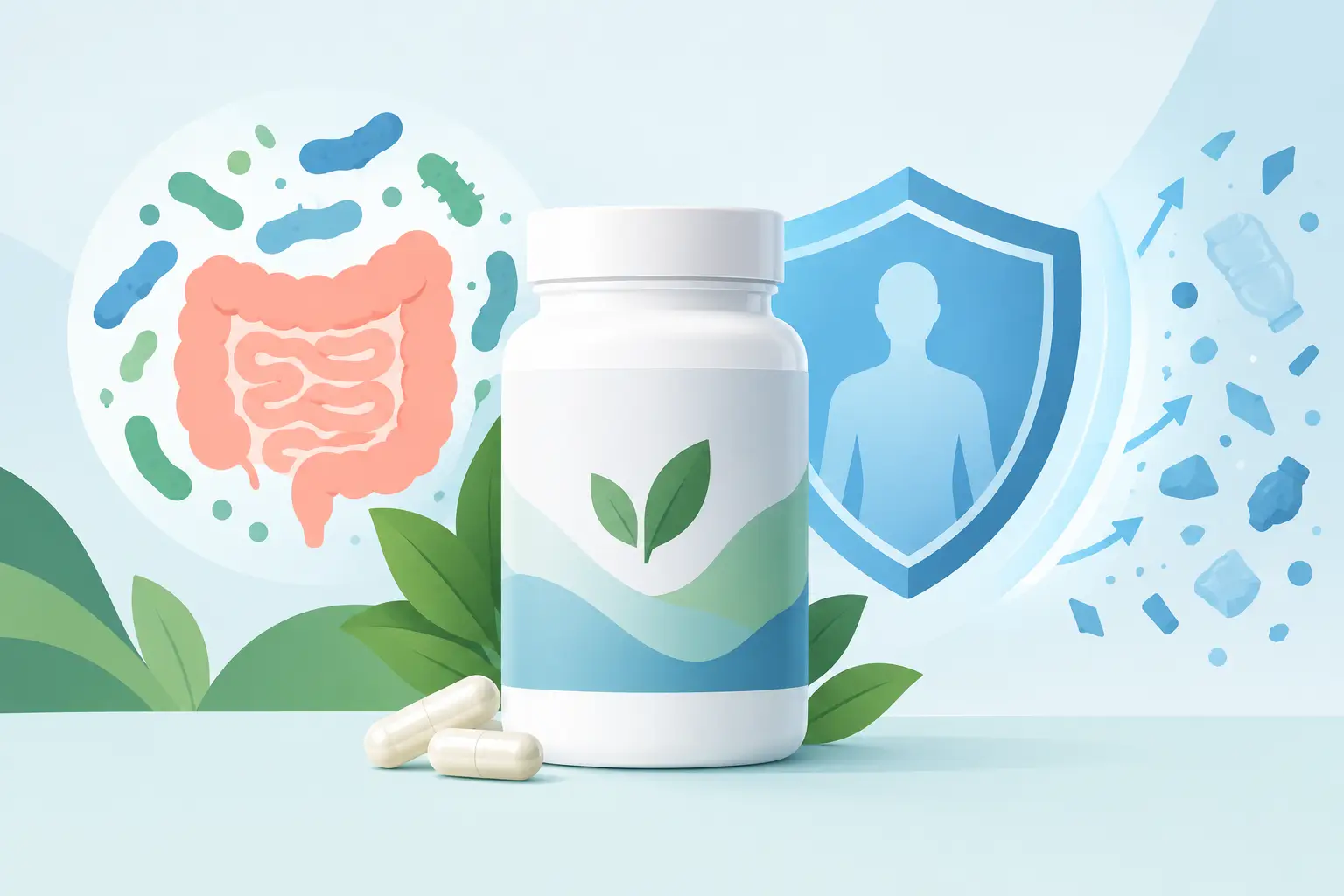
Food storage is one part of a broader exposure-reduction practice. You can lower avoidable contact through the materials you choose while supporting your body’s normal digestive elimination pathways. Qi601’s My Gut Guardian™ is designed as a daily Biofilm Shield™ to trap, bind, and support the normal elimination of micro- and nanoplastic particles through digestion.
Plastics do not belong in your body, but they are woven into the systems around you. Begin where you have control: the container holding tonight’s dinner. One glass dish, one stainless lunch box, and one better daily habit can turn concern into protection.