A missed day is not automatically a problem. But when your digestion becomes consistently unpredictable – hard stools, straining, a sense that you never fully emptied, or long gaps between bowel movements – it can affect far more than physical comfort. Knowing how to support bowel regularity starts with a practical truth: your digestive system responds to what you repeat, not what you do once.
Regularity is not a one-size-fits-all number. Some people naturally have bowel movements daily, while others may go less often and still feel well. The better benchmark is a comfortable, easy-to-pass stool pattern that is relatively consistent for you. If that rhythm has changed, your daily inputs deserve attention.
What bowel regularity actually depends on
The colon’s job is to move waste along while absorbing water. When movement slows too much, the colon pulls out more water and stool can become dry, firm, and difficult to pass. When movement is too fast, stool may be loose or urgent. Food choices, hydration, physical activity, stress, medications, sleep, and gut health can all influence that balance.
This is why a single “detox” tea or dramatic dietary overhaul rarely creates lasting change. Strong laxatives may be appropriate for short-term use under medical guidance, but they are not a substitute for the basics that support normal digestive function day after day.
The goal is not to force your body into a schedule. It is to build conditions that help your digestive tract do what it is designed to do: process, move, and eliminate.
Start with fiber, but increase it strategically
Fiber gives stool structure and helps support normal movement through the digestive tract. Yet “eat more fiber” is incomplete advice. Adding a large amount overnight can leave you bloated, gassy, and even more uncomfortable, especially if fluids do not increase alongside it.
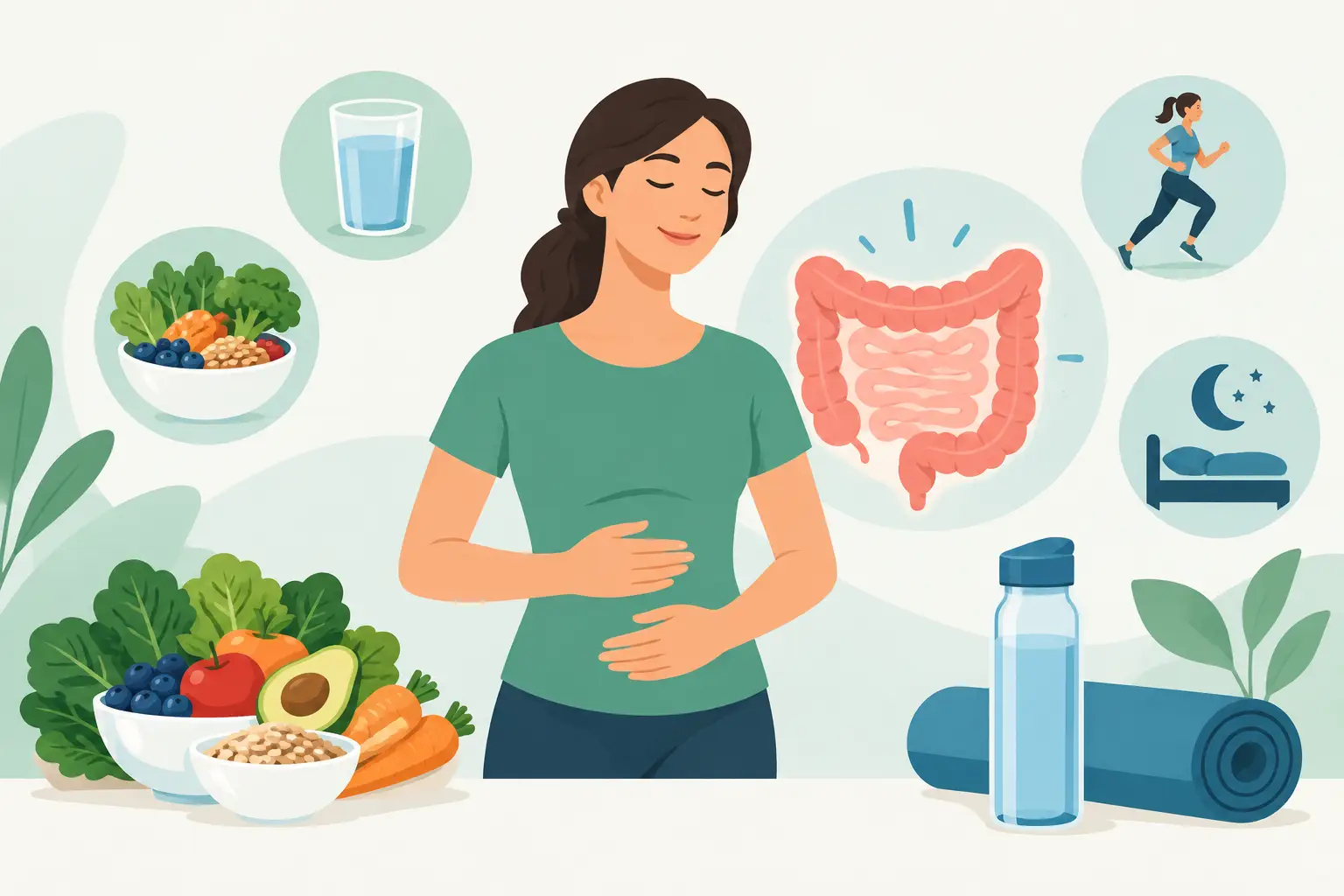
Aim to add fiber gradually through foods you can sustain. Beans, lentils, oats, berries, pears, apples, vegetables, chia seeds, flaxseed, and whole grains all contribute. A breakfast built around oats and fruit, or a lunch that includes beans and vegetables, often does more for consistency than a complicated supplement stack.
Different types of fiber behave differently. Insoluble fiber can add bulk and help move material along. Soluble fiber absorbs water and forms a gel-like consistency that can help support softer, more formed stools. Many plant foods provide a mix of both, which is one reason food-first variety matters.
If you use a fiber supplement, start low and follow the label. Give your body several days to adjust before increasing the amount. For people with certain digestive conditions, a particular fiber type may not be a good fit, so persistent symptoms deserve individualized medical advice.
Make hydration part of the plan
Fiber without enough fluid can backfire. Water helps fiber do its job and helps keep stool from becoming overly dry. You do not need to obsess over a universal number of ounces. Fluid needs vary with body size, weather, physical activity, food intake, pregnancy, medications, and health conditions.
A more useful approach is to make drinking water automatic. Have a glass with meals, keep water visible at your desk, and bring it with you when you leave home. Water-rich foods, such as soups, fruit, and vegetables, also contribute to total fluid intake.
If you have been told to limit fluids because of kidney, heart, or liver disease, follow your clinician’s guidance rather than general hydration advice.
Use your body’s natural timing
Your gut has a built-in reflex that becomes active after eating, especially after breakfast. This is one reason rushing out the door with coffee in hand can work against regularity. A few unhurried minutes after a meal may be more valuable than people realize.
Try creating a consistent window each day, ideally after breakfast or another meal. Sit without straining and without treating the bathroom like a scrolling break. Putting your feet on a small stool can position the knees above the hips and may make passing stool easier for some people.
Do not ignore the urge to go. Repeatedly delaying a bowel movement can make stool sit longer in the colon, where more water is absorbed. Over time, that can reinforce a harder-to-pass pattern.
Movement is digestive support, not just exercise
The digestive tract responds to movement. A brisk walk, a short mobility session, a bike ride, or strength training can all support the routines that help the colon keep moving. You do not need an extreme workout plan to see a difference.
Consistency wins here, too. A 10- to 20-minute walk after meals is a realistic place to begin, particularly for people whose work keeps them seated for much of the day. It supports more than digestion, but the digestive payoff can be immediate for some people.
Stress also changes gut behavior. The brain and digestive tract communicate constantly, so travel, deadlines, poor sleep, anxiety, and disrupted routines can show up in the bathroom. That does not mean symptoms are “all in your head.” It means the gut is responsive to the conditions your body is living in.
Review what may be slowing you down
Sometimes bowel regularity changes because of a new medication or supplement. Iron, calcium, certain antacids, some pain medications, and other treatments can contribute to constipation. Do not stop a prescribed medication on your own. Instead, ask the prescribing clinician or pharmacist whether constipation is a known effect and what options may help.
Diet changes can matter, too. Highly processed meals that displace plants, erratic eating schedules, frequent alcohol use, and very low-calorie dieting can all make a regular pattern harder to maintain. The answer is not perfection. It is noticing which patterns are repeating often enough to affect you.
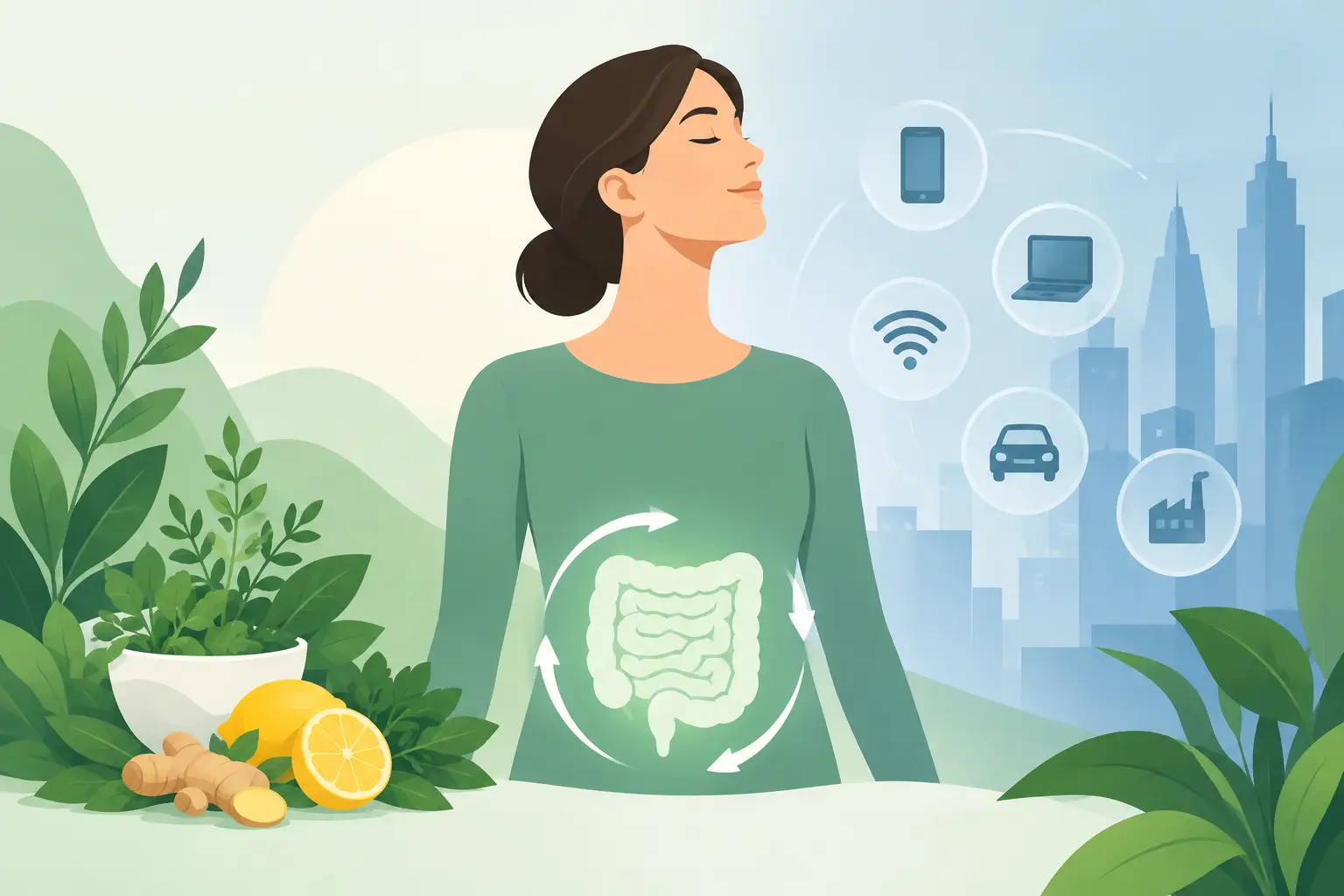
Environmental exposures are another modern concern. Microplastics can enter the body through food, water, and air, and avoiding every source is unrealistic. Qi601’s My Gut Guardian™ is designed to support normal digestive elimination by using Biofilm Shield™ technology to trap and bind micro- and nanoplastic particles in the digestive tract. It is not a replacement for fiber, hydration, or clinical care. It is a daily defense designed for people who want a more targeted response to an exposure that is difficult to avoid.
When to get medical guidance
A new or persistent bowel change should not be dismissed, especially when it does not improve with basic habit changes. Contact a healthcare professional promptly if you have blood in the stool, black or tar-like stool, unexplained weight loss, severe or worsening abdominal pain, vomiting, fever, anemia, or a major change in bowel habits.
You should also seek advice if constipation is ongoing, you rely on laxatives regularly, or you have a personal or family history that raises concern for colorectal disease. Screening and evaluation are not overreactions. They are part of protecting long-term health.
Build a routine your gut can recognize
The most effective plan is usually the least dramatic one: add plants gradually, drink fluids consistently, move most days, respect the urge to go, and give yourself time after meals. Track your pattern for two weeks if you are unsure what is helping. Note stool consistency, frequency, meals, hydration, activity, stress, and any new supplements or medications.
That record can reveal a clear pattern, and it gives a clinician better information if you need support. Your body is already working to clear what it does not need. Give it steady inputs, protect the process, and let daily habits become your strongest line of digestive defense.