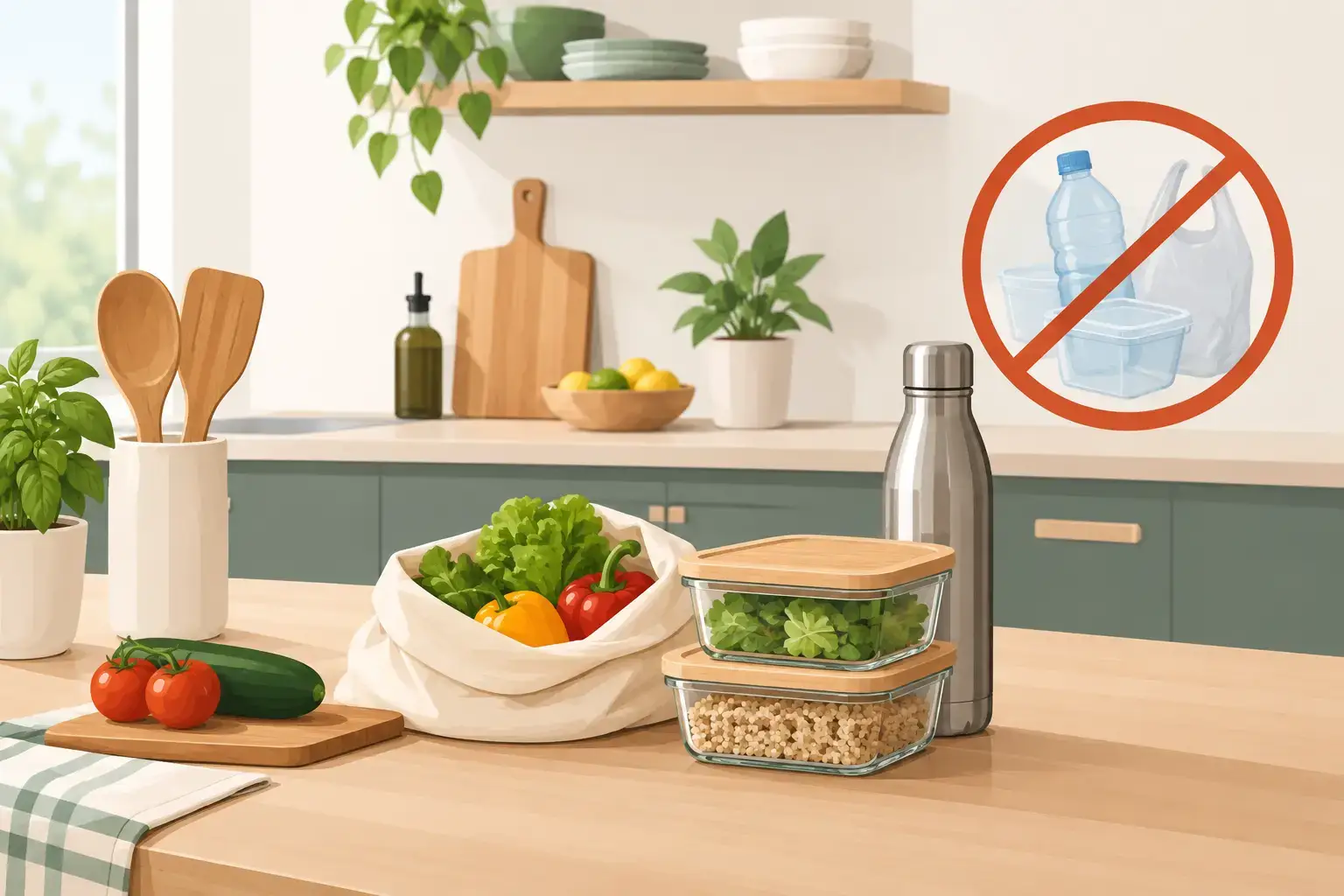
The best food storage is not the container with the most clever lid. It is the system that keeps food fresh while reducing unnecessary contact between your meals and plastic. That matters because food is one of the most routine pathways for plastic exposure – especially when containers are heated, worn down, or used far beyond their intended life.
You cannot remove every plastic source from modern life. It is in packaging, water, air, and countless daily products. But your kitchen is one place where practical changes can reduce avoidable contact, meal after meal. Start with the storage choices you use most often, not a complete pantry overhaul.
What Makes the Best Food Storage Choice?
The right material depends on what you are storing, how long it will sit, and whether it will be exposed to heat. A container that works perfectly for dry rice may not be the best option for hot leftovers or acidic tomato sauce.
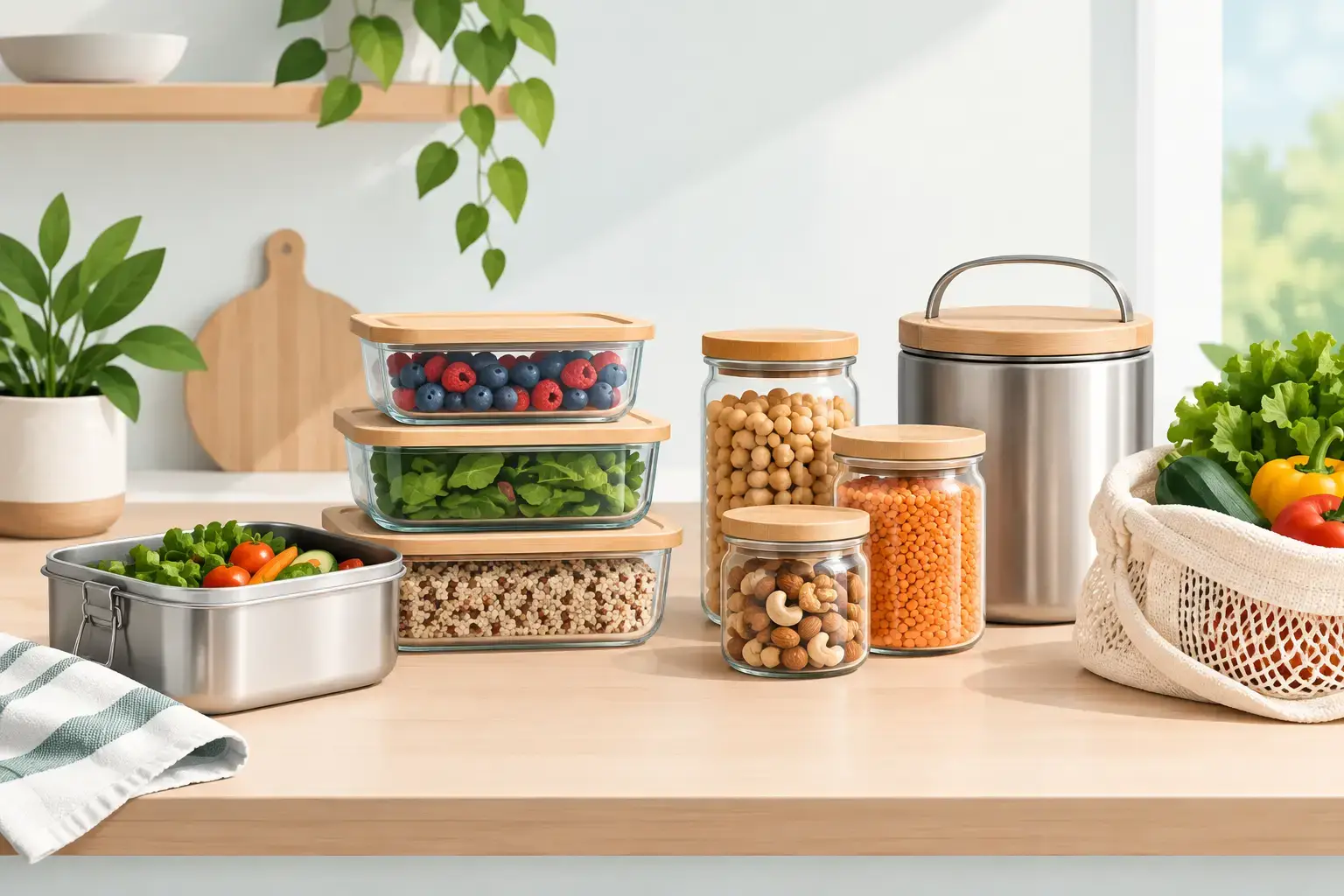
For everyday use, glass is usually the strongest all-purpose choice. It is nonporous, does not retain food odors easily, and can move from refrigerator to microwave or oven when the manufacturer says it is safe to do so. Glass also makes it easier to see what you have, which reduces food waste and the forgotten leftovers pushed to the back of the fridge.
Stainless steel is another powerful option, particularly for lunches, prepared snacks, dry foods, and refrigerator storage. It is lightweight compared with glass, durable enough for daily use, and a smart choice for families who need containers that can survive backpacks, commutes, and busy kitchens. Its limitation is visibility. Labeling meals and dates becomes more useful when you cannot see inside.
Silicone can fill a practical middle ground. Quality food-grade silicone bags, covers, and molds are flexible, washable, and useful when glass would be too heavy or breakable. They are particularly helpful for freezer storage, snack packing, and covering bowls. Still, they are not automatically a replacement for every container. Choose reputable food-grade products, inspect them for damage, and follow their temperature instructions.
Plastic containers can be hard to avoid completely, and perfection is not the goal. If you use them, reserve them for cool, dry foods whenever possible. Replace deeply scratched, cloudy, warped, or cracked containers. Their age and condition matter just as much as the recycling symbol on the bottom.
Best Food Storage Materials by Kitchen Task
Hot leftovers and reheating
Heat changes the equation. Hot foods and high temperatures can increase the interaction between a container and what is inside it. For soups, sauces, roasted vegetables, and last night’s dinner, let food cool briefly, then transfer it to glass or stainless steel before refrigerating.
When reheating, move food from plastic into a glass or ceramic dish first. Do not microwave plastic wrap on top of food unless it is specifically designed for that purpose and used exactly as directed. A fast transfer takes seconds, and it removes one avoidable source of contact during the hottest part of the process.
Freezer meals and batch cooking
Freezing does not require plastic by default. Wide-mouth glass jars designed for freezing, glass containers with freezer-safe lids, stainless steel containers, and reusable silicone bags can all work well. Leave headspace in jars and containers because liquids expand as they freeze.
For batch cooking, portion food before freezing. Smaller portions cool more quickly, thaw more evenly, and prevent repeated warming and refreezing. Label each container with the meal and date. This is not just an organizing habit – it keeps good food from becoming mystery food.
Dry pantry staples
Dry goods are the easiest place to reduce disposable packaging and create a cleaner storage system. Flour, oats, beans, pasta, rice, nuts, and seeds store well in glass jars or stainless steel canisters with tight-fitting lids. Clear glass is especially useful because you can see when supplies are running low.
For foods with natural oils, such as nuts and seeds, freshness matters. Store them in airtight glass in the refrigerator or freezer if you buy in larger quantities. This helps protect flavor and slows rancidity without relying on disposable bags.
Produce, lunches, and grab-and-go food
Produce needs airflow, moisture control, and occasional flexibility. Store washed greens only after they are thoroughly dried, ideally in a glass container or bowl covered with a reusable silicone lid. Berries last longer when they are dry, unwashed until needed, and stored with room for air circulation.
For lunch, stainless steel containers are a practical workhorse. Pair them with a separate small glass jar for dressing, yogurt, or fruit. This approach is durable, simple to clean, and less likely to leave you relying on single-use bags for every snack and meal.
The Food Storage Habits That Matter Most
Material matters, but habits matter too. A glass container that holds old food for two weeks is not protecting freshness. A well-run food storage system is built around rotation, temperature, and realistic routines.
Store perishable food promptly. Refrigerate leftovers within two hours of cooking, or within one hour if the room is very hot. Keep your refrigerator at 40 degrees Fahrenheit or below and your freezer at 0 degrees Fahrenheit. These are basic food-safety practices, but they also reduce the temptation to repeatedly reheat, cool, and repackage the same meal.
Avoid storing hot, oily, or acidic foods in disposable takeout containers. Those containers are made for transport, not long-term storage or repeated heating. Transfer the food when you get home if you plan to save it.
Do not reuse single-use plastic water bottles, deli tubs, or takeout containers as your regular food storage solution. They may seem convenient, but repeated washing, heat, and wear can degrade them. Keep a small set of dependable containers instead of a cabinet full of mismatched plastic.
A useful starting system includes:
- Glass containers in two or three everyday sizes for leftovers and prepared meals
- Glass jars for pantry staples, sauces, and chopped ingredients
- Stainless steel containers for lunches and foods that travel
- Reusable silicone bags or covers for freezer storage and flexible sealing
You do not need fifty containers to build better habits. You need enough of the right ones that the easier choice is also the more protective choice.
Food Storage Mistakes That Quietly Add Up
The biggest mistake is treating every container as interchangeable. Heat, friction, age, food acidity, and fat content all affect how a container performs. A heavily scratched plastic tub used for hot spaghetti sauce is very different from a new container holding crackers in a cool cabinet.
Another common mistake is washing plastic in high-heat dishwasher cycles. Even when an item is labeled dishwasher-safe, frequent high heat can shorten its useful life. Hand-wash reusable plastic when practical, and replace it when it shows visible wear.
Be cautious with plastic wrap touching hot food, too. Cover a dish after it cools or use a plate, glass lid, or silicone cover instead. Small choices become meaningful when they happen every day.
Finally, do not let fear create waste. Throwing out every container in one dramatic purge is rarely necessary. Prioritize the items that touch hot food, are visibly damaged, or are used constantly. Replace them gradually with glass, stainless steel, or food-grade silicone that fits your actual routine.
Food Storage Is Exposure Reduction, Not Exposure Elimination
Even the best food storage practices cannot eliminate microplastic exposure. Plastics are widespread in the modern environment, and food storage is only one controllable part of a much larger picture. That is exactly why a practical, layered approach makes sense.
Choose lower-contact materials where they make the biggest difference. Avoid heating food in worn plastic. Use fresh food-storage habits that prevent waste. Then consider how you support your body as it handles the environmental exposures that cannot be fully avoided.
Qi601’s My Gut Guardian™ was developed as a daily digestive defense that uses Qi601™ Biofilm Shield™ technology to help trap, bind, and support the normal digestive elimination of micro- and nanoplastic particles. It is designed for people who want a tangible response without pretending they can live in a plastic-free bubble.
Your kitchen does not need to be perfect to become more protective. Start by changing the container you reach for when dinner is still warm. That one repeatable decision can turn food storage from an afterthought into part of your daily defense.