Your intestinal lining makes thousands of decisions every day. It must let water, nutrients, and helpful compounds pass into circulation while helping keep unwanted particles, irritants, and pathogens moving toward normal elimination. This guide to gut barrier function explains the protective system working inside your digestive tract – and why it deserves more attention in an era when plastic exposure is nearly impossible to avoid.
The gut barrier is not a single wall. It is a living, selective defense system shaped by what you eat, how you sleep, the microbes living in your digestive tract, medications, stress, and the environmental exposures you encounter every day. You cannot control every exposure. You can build a stronger daily defense.
What Is Gut Barrier Function?
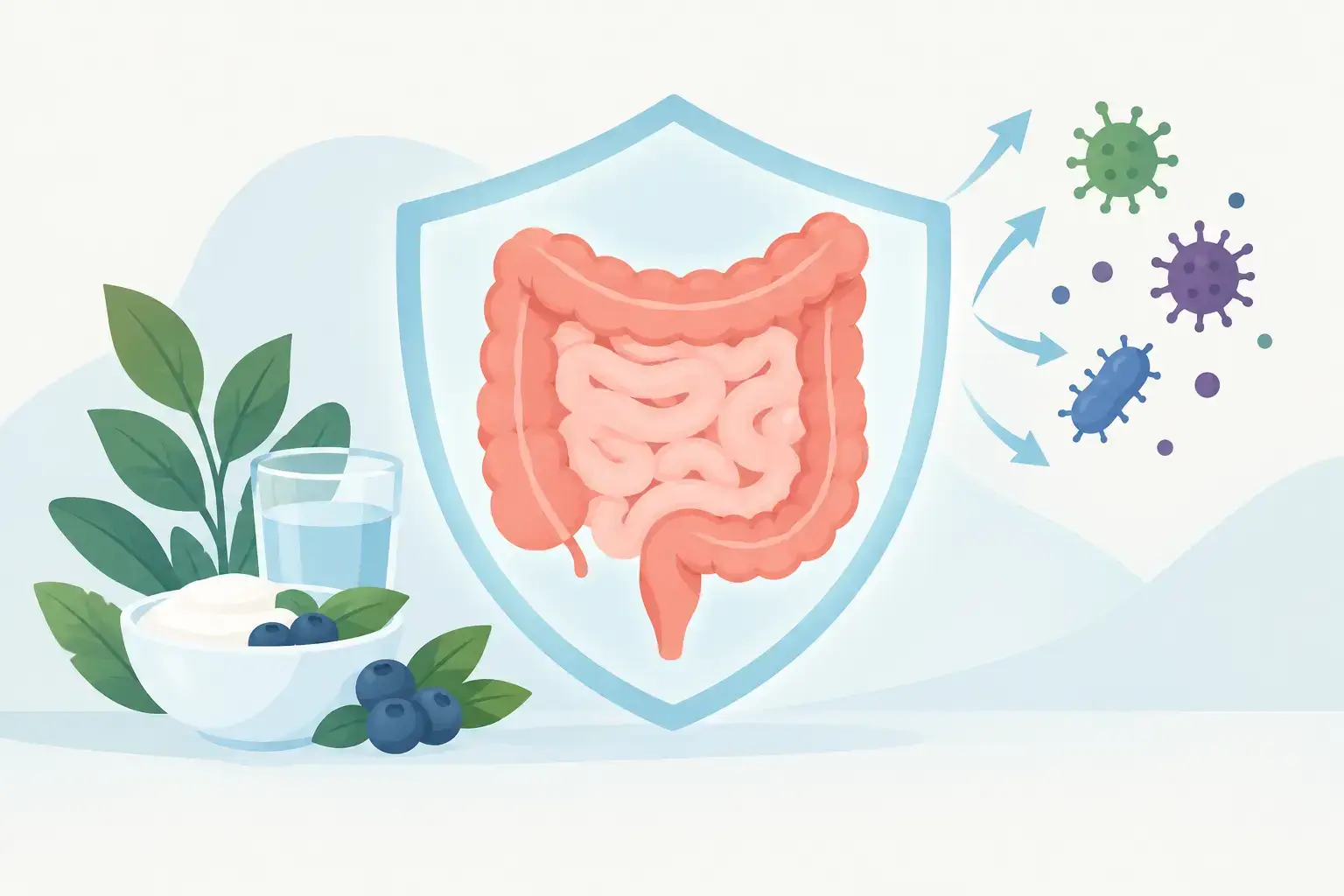
Gut barrier function describes the ability of the intestinal lining to act as a selective filter. The lining of your intestines is made from a single layer of specialized cells. These cells sit close together, with structures called tight junctions helping regulate what moves between them.
Above that cell layer is a mucus layer that provides physical protection and creates a home for beneficial microorganisms. The gut microbiome, immune cells, digestive enzymes, and the constant movement of the digestive tract all contribute to the system. When these layers work together, the gut can absorb what the body needs while supporting the normal passage of waste out of the body.
Think of it less like a brick wall and more like a high-security checkpoint. A good checkpoint is not closed to everything. It is selective, responsive, and organized. That selectivity is central to healthy digestion and to the ongoing conversation between the gut, immune system, and the rest of the body.
Why Gut Barrier Function Matters Now
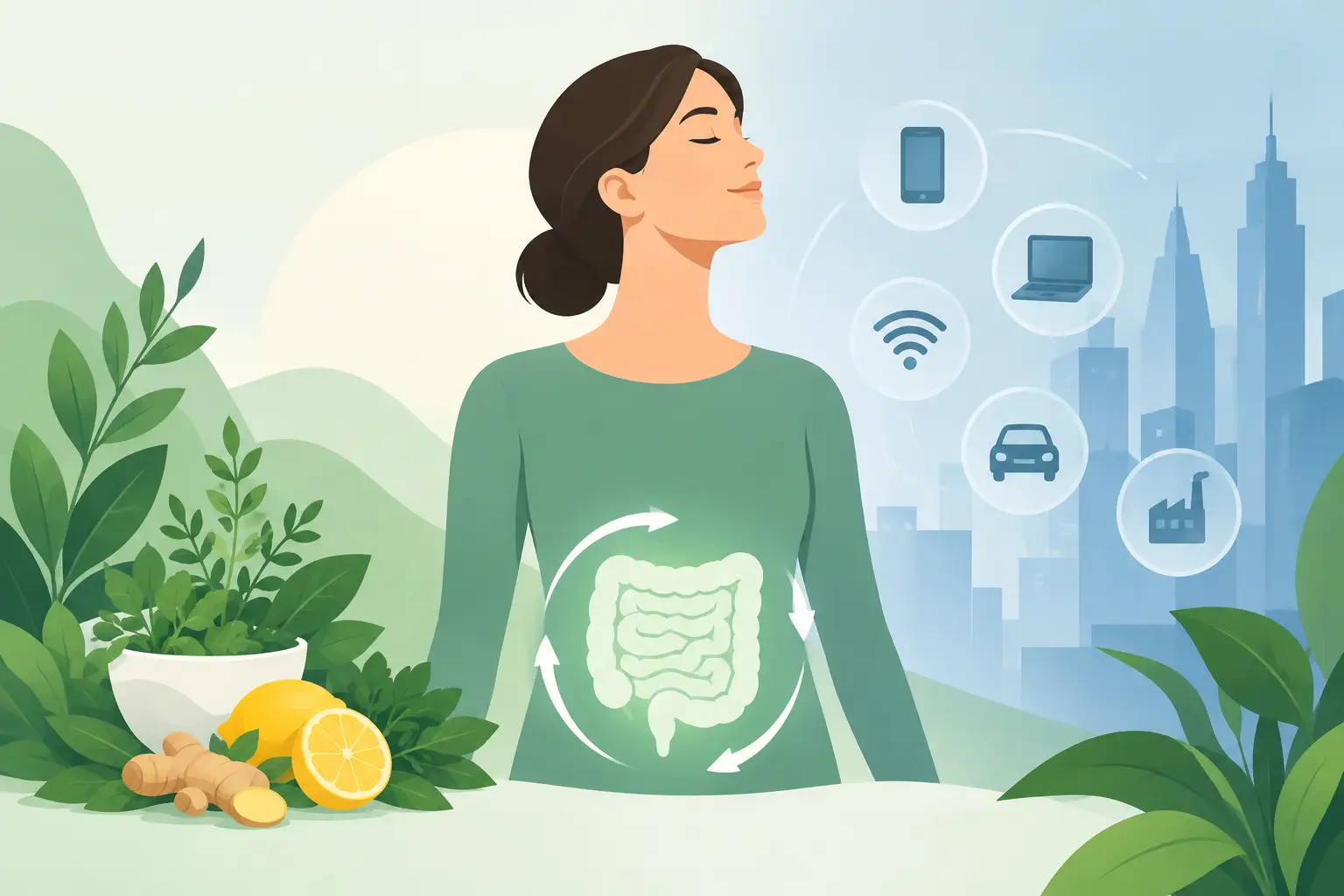
Your gut has always had to manage foodborne microbes and naturally occurring compounds. The modern environment adds a new challenge: continuous exposure to microscopic plastic particles through food, beverages, packaging, household dust, and air.
Microplastics and nanoplastics are small enough to be difficult to see and difficult to avoid. Reducing plastic contact where practical can lower exposure, but it cannot eliminate it. That is why a defensive approach matters. The goal is not perfection. The goal is supporting the digestive system’s natural ability to process what enters it and move unwanted material toward elimination.
Gut barrier function is part of this bigger picture, but it is not a promise that the body can block every compound or particle. Biology is more complex than a single on-off switch. The smart approach is layered: lower avoidable exposures, support digestive fundamentals, and choose tools with a clear mechanism when they fit your routine.
What Can Put Pressure on the Gut Barrier?
A single late dinner or stressful week does not automatically damage your gut barrier. Your digestive system is built to adapt. Pressure tends to matter when it is frequent, prolonged, or combined with other stressors.
Diet is one piece. Highly restrictive eating patterns, low fiber intake, excessive alcohol, and diets dominated by ultra-processed foods may leave less room for the nutrients and fermentable fibers that support a diverse gut environment. On the other hand, rapidly increasing fiber can cause uncomfortable gas or bloating for some people. More is not always better overnight.
Chronic stress and poor sleep can also affect digestion. The gut and brain communicate constantly through nerves, hormones, and immune signals. When your nervous system remains in high alert, you may notice changes in appetite, bowel regularity, discomfort, or food tolerance.
Certain medications can be necessary and life-changing, yet some can alter digestive conditions as a side effect. Antibiotics, for example, may change microbial balance. This is never a reason to stop prescribed medication. It is a reason to ask your clinician how to support digestion before, during, and after treatment.
Infections, inflammatory digestive conditions, heavy alcohol use, and untreated chronic health issues can create additional strain. Persistent symptoms deserve medical attention, especially blood in stool, unexplained weight loss, severe abdominal pain, ongoing diarrhea, fever, or a major change in bowel habits.
How to Support Your Gut Barrier Day to Day
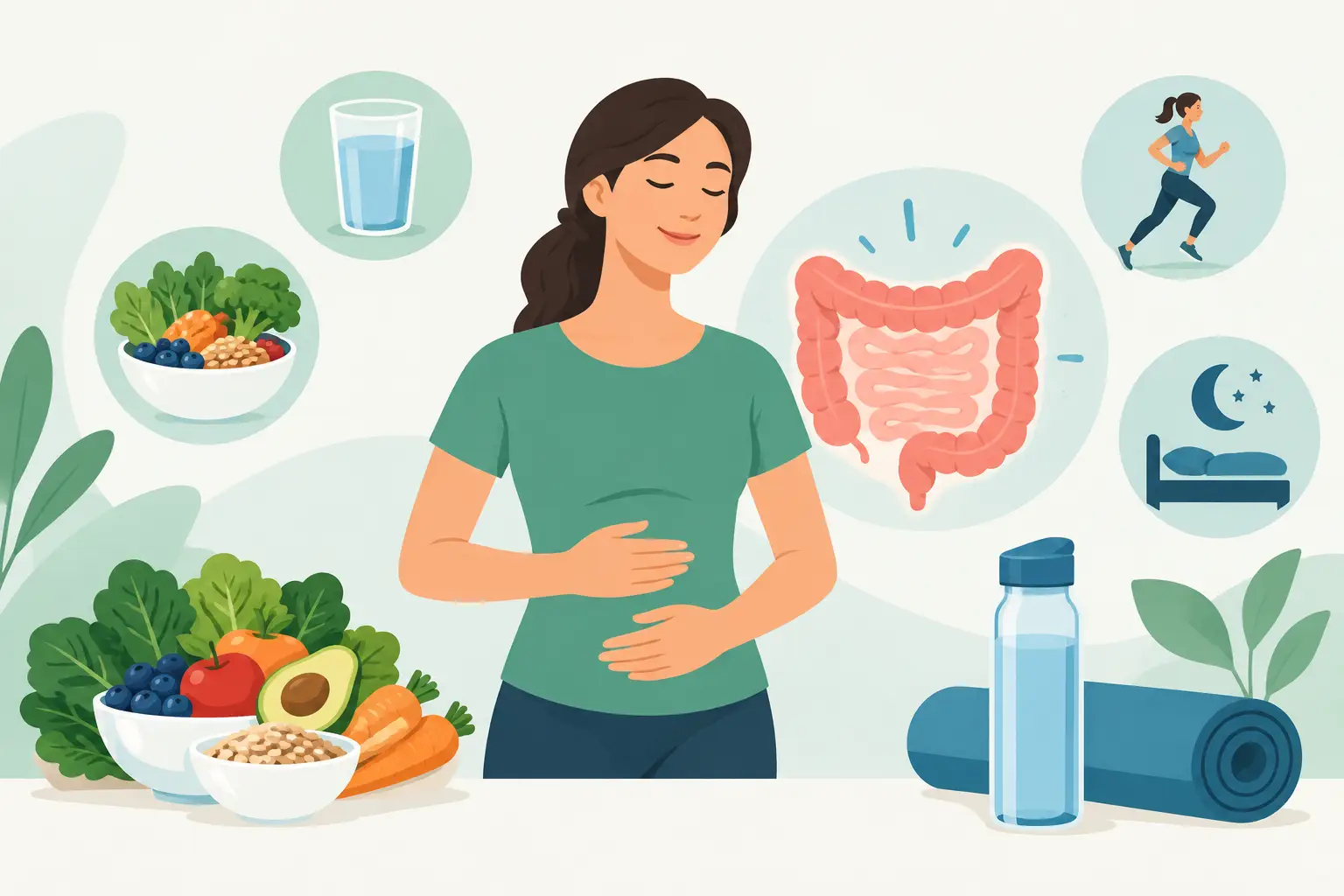
The most useful gut-support plan is usually the one you can repeat. Start with meals that include a variety of plant foods, adequate protein, and fats that work for your body. Fiber-rich foods such as beans, vegetables, fruit, oats, nuts, seeds, and whole grains can help feed beneficial microbes, but introduce them gradually if your current intake is low.
Hydration matters because normal digestion and regular elimination depend on fluid. So does movement. A short walk after meals may be more realistic and more sustainable than an ambitious routine you abandon after a week.
Sleep is another form of digestive maintenance. Aim for a consistent sleep and wake schedule when possible, and create a wind-down routine that makes room for recovery. Stress reduction does not require a perfect meditation practice. A daily walk, breathing exercise, screen-free meal, or a few minutes outside can help signal that the body is safe enough to digest.
Food safety and exposure reduction also belong in the conversation. Use glass or stainless steel for hot foods and drinks when you can. Avoid heating food in plastic containers. Rinse produce, ventilate your home, and favor minimally processed foods more often. These changes reduce some contact points without demanding that you live in a plastic-free bubble.
Gut Barrier Support Is Not the Same as “Detox” Hype
The word detox is often used as a shortcut for extreme cleanses, restrictive fasts, or products that promise dramatic results without explaining how they work. Your body already has detoxification and elimination systems, including the liver, kidneys, lungs, skin, and digestive tract. Supporting those systems should mean supporting normal physiology, not forcing it.
For digestive health, credible support starts with a plausible mechanism and realistic expectations. A product should tell you what it is designed to do, how it works, and what evidence supports its claims. Be cautious of anything that claims to cure disease, repair every digestive problem, or replace medical care.
Qi601’s My Gut Guardian™ uses proprietary Qi601™ Biofilm Shield™ technology, designed to form an adhesive biofilm in the digestive system that acts like a magnet – trapping and binding micro- and nanoplastic particles to support their normal digestive elimination. It is a targeted approach to a targeted modern exposure, rather than a vague promise to cleanse everything from the body.
That distinction matters. A daily microplastic defense strategy can complement foundational habits, but it does not erase the value of nutritious food, sleep, movement, hydration, and professional medical guidance when symptoms persist.
When to Get Professional Help
Digestive discomfort is common, but common does not mean you should ignore it. If symptoms are frequent, disruptive, or worsening, work with a licensed healthcare professional. They can help identify whether symptoms relate to diet, stress, medication, infection, food intolerance, a functional digestive condition, or another cause that needs evaluation.
Be especially direct about symptoms that wake you at night, interfere with eating, or lead you to avoid social activities. Bring a simple record of what you experience, when it occurs, and any changes in diet, supplements, medications, travel, or stress. Better details can lead to better questions and more useful care.
Your gut barrier is not a trend and it is not a fragile system waiting to fail. It is an active line of defense that responds to your daily choices. Give it consistent support, reduce what exposure you reasonably can, and make room in your routine for protection that works with your body’s normal digestive process.